World of Volvo
I had been planning a visit to the Volvo Museum for so long that, in the process, it closed and was replaced by an entirely new institution. I never made it to the old museum – and honestly, there may not be much to regret. World of Volvo, its successor, is housed in a new building that offers excellent conditions for displaying vehicles. The project was created jointly by Volvo Group and Volvo Cars. Yes, the companies behind today’s Volvo cars and trucks are separate entities – but it’s nice to see them working together to honor their shared heritage.
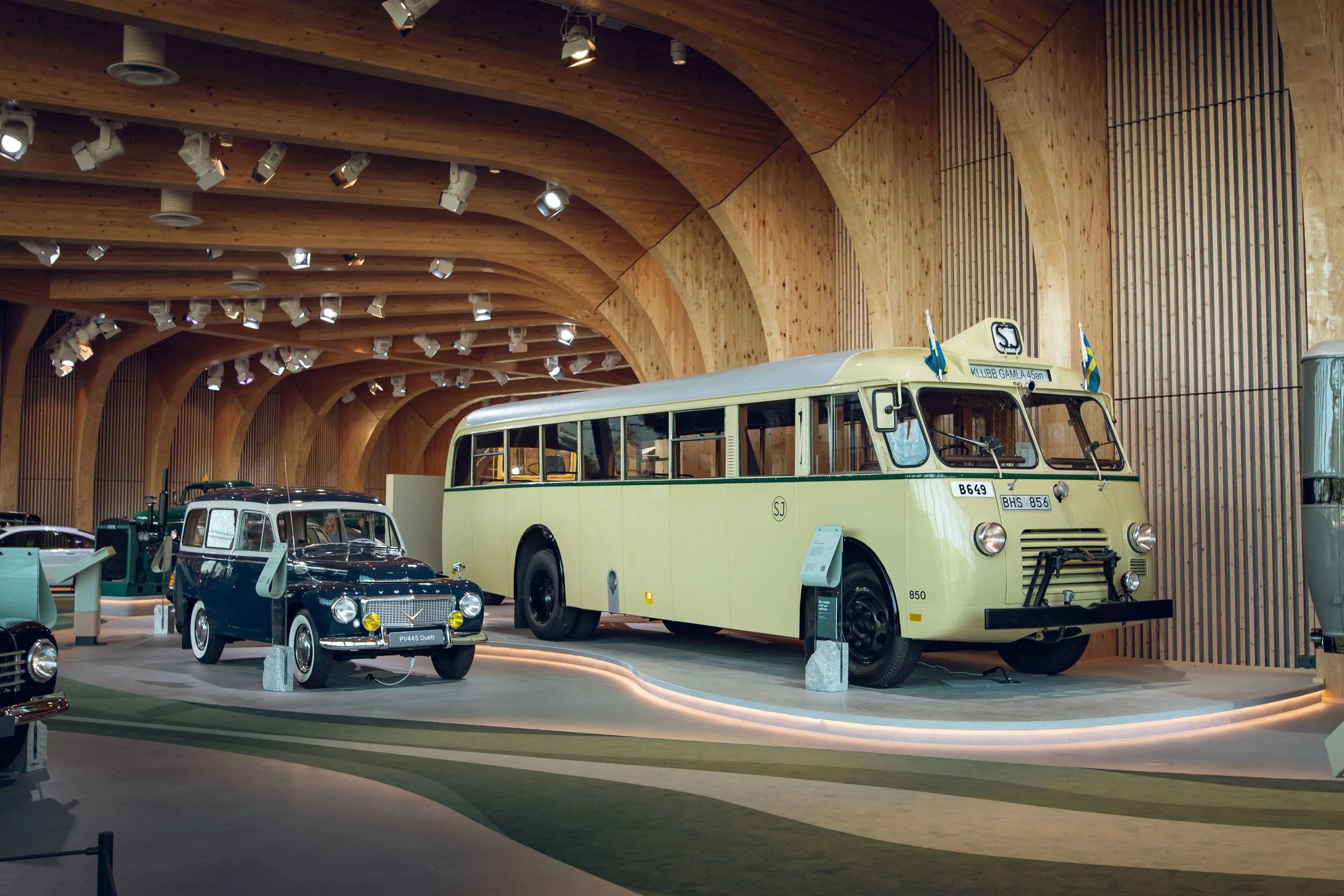
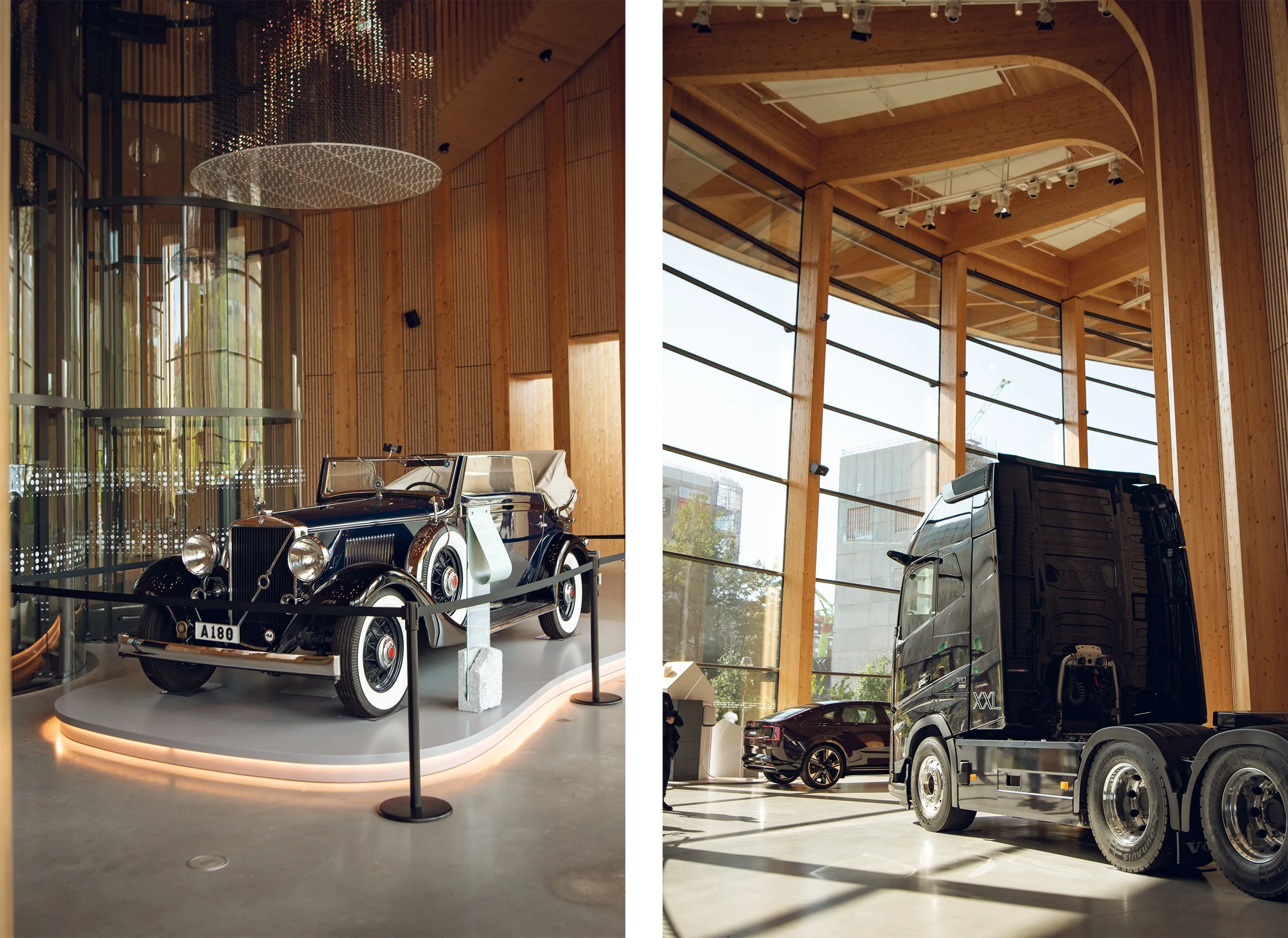
World of Volvo is located in Gothenburg, Sweden – a city inseparably linked with the brand’s entire history. It was here, in 1927, that the first Volvo car was built: the ÖV4. Its debut, however, didn’t go quite as smoothly as the manufacturer might have hoped.
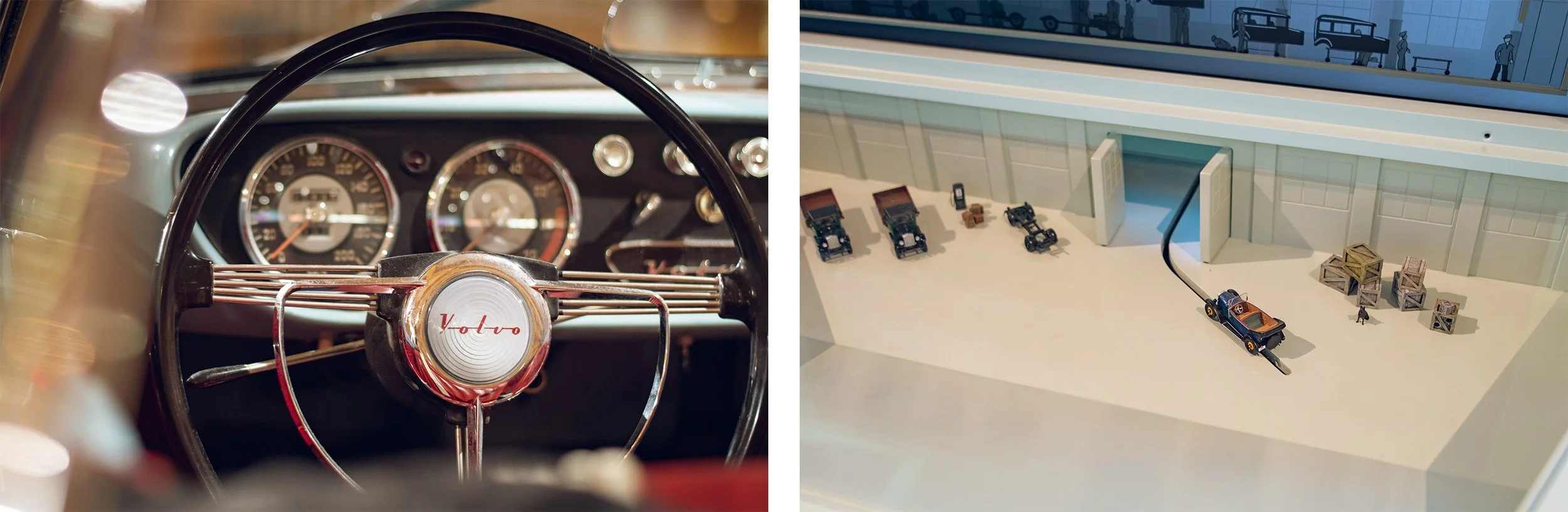
Due to an incorrectly installed gear in the rear axle, the car was only able to leave the factory by driving… backwards. This anecdote has been charmingly preserved in the museum. By turning a hand crank, visitors can watch the successive stages of the car’s assembly. In the final scene, the factory doors open and a small ÖV4 model rolls out – rear first. And yes, a real example of the ÖV4 is, of course, also on display at the museum.
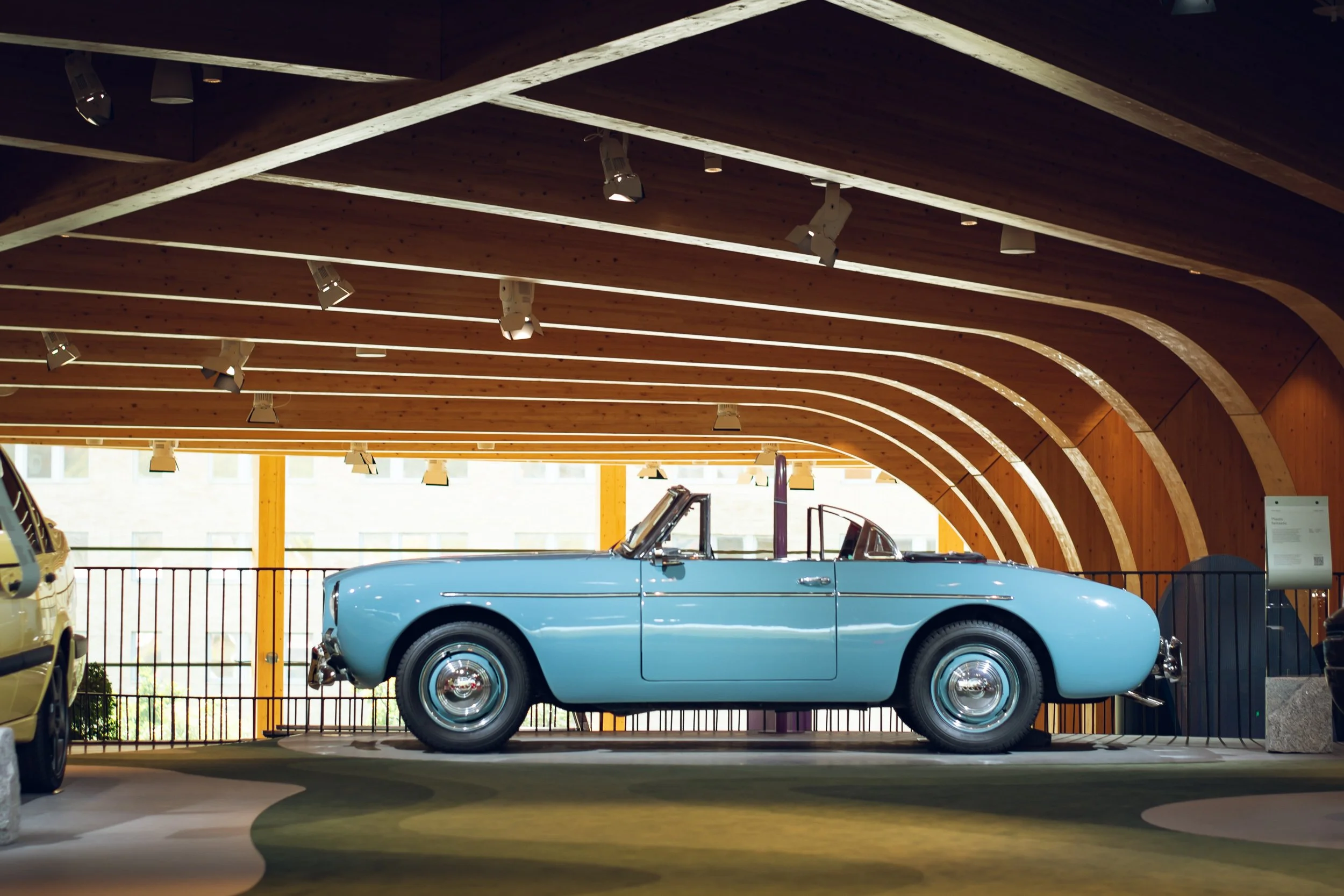
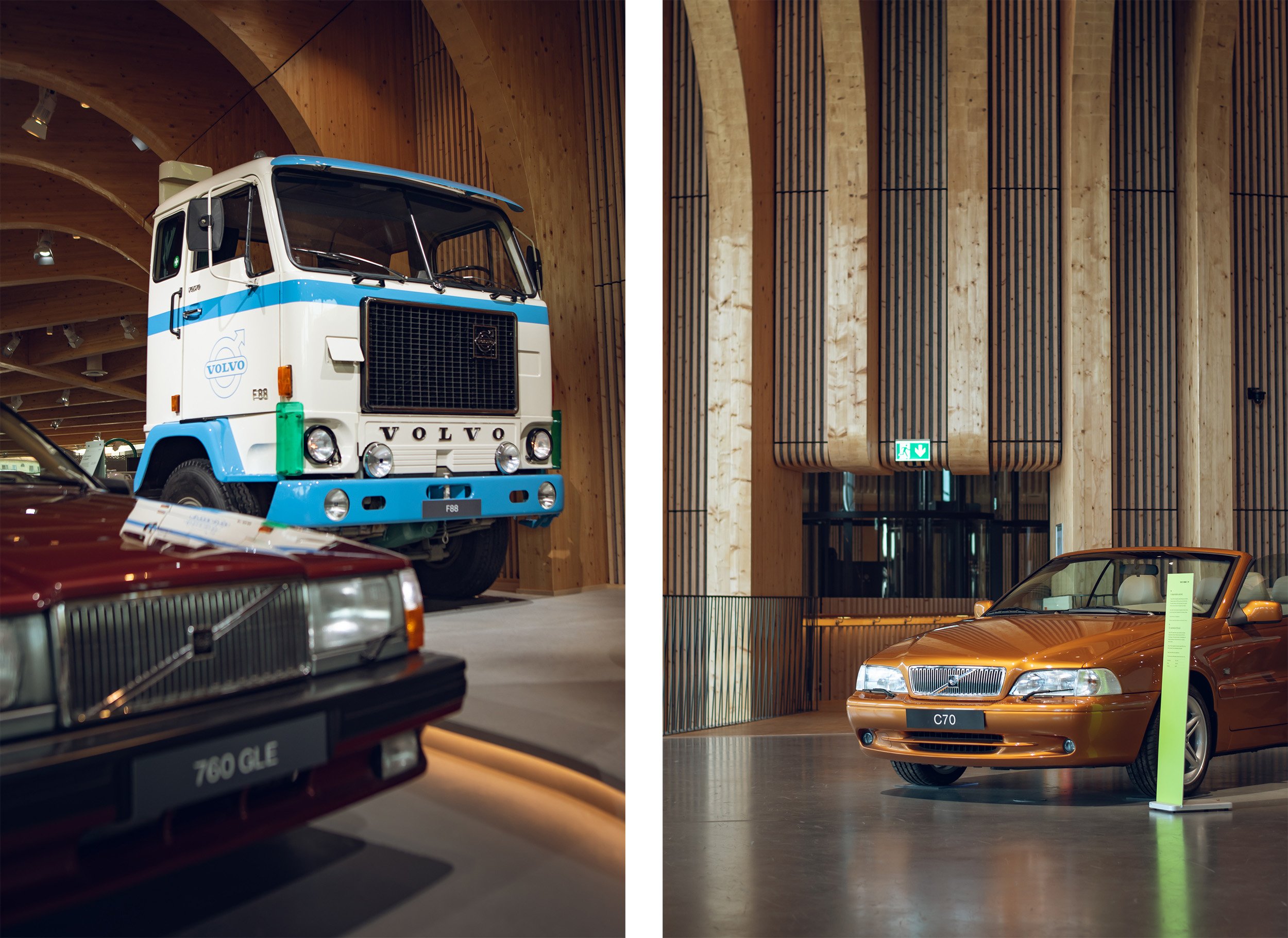
One might worry that such a modern, marketing-driven venue, focused on events and multimedia experiences, would feel a bit soulless. Thankfully, that isn’t the case here. It’s well worth taking the time to read the plaques placed next to the vehicles. Their short, often humorous descriptions reveal that many of the machines on display have genuinely fascinating stories.
These vehicles weren’t built to sit in storage. After leaving the factory, they went straight to work for real customers. Only once their working lives were over were they carefully restored, and today they can be admired up close.
I’m usually not a fan of multimedia attractions. I already spend far too much of my day staring at screens to want to do the same in a museum. Here, however, the curators have managed to design interactive stations that are genuinely engaging.
It may not sound particularly fascinating to step into a bus braking simulator, but it’s something I remember very well from my visit to the World of Volvo. There’s also a game that demonstrates how different distractions affect a driver and compromise safety. One can’t help but wish Volvo’s own designers had played it too – perhaps then all the most essential controls in current models wouldn’t have ended up on touchscreens.
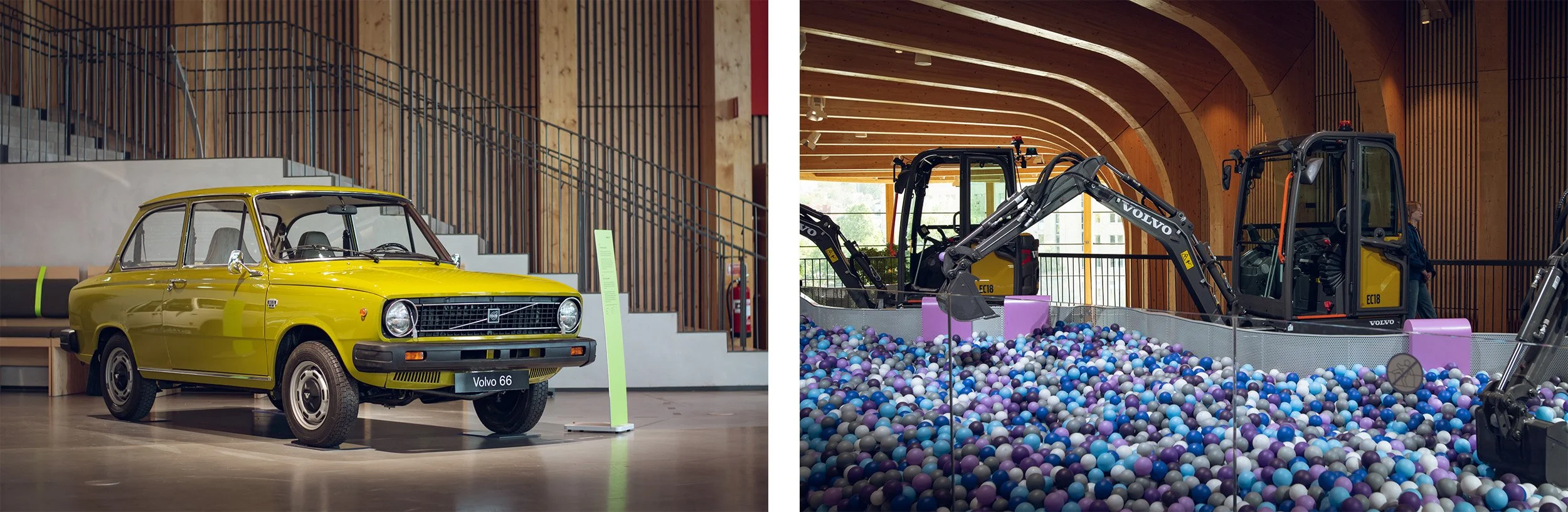
The most fun, though, comes from climbing into the cab of a small excavator. After a brief explanation from the staff about what each lever does, you’re free to start digging in a large pit filled with plastic balls. Was this attraction mainly intended for children? Possibly, but adults seem to enjoy it just as much.
Let’s not dwell on Volvo’s touchscreens any longer and instead appreciate how much the brand has done over the years to improve the safety of its drivers and passengers. This legacy is, of course, clearly reflected in the exhibition.
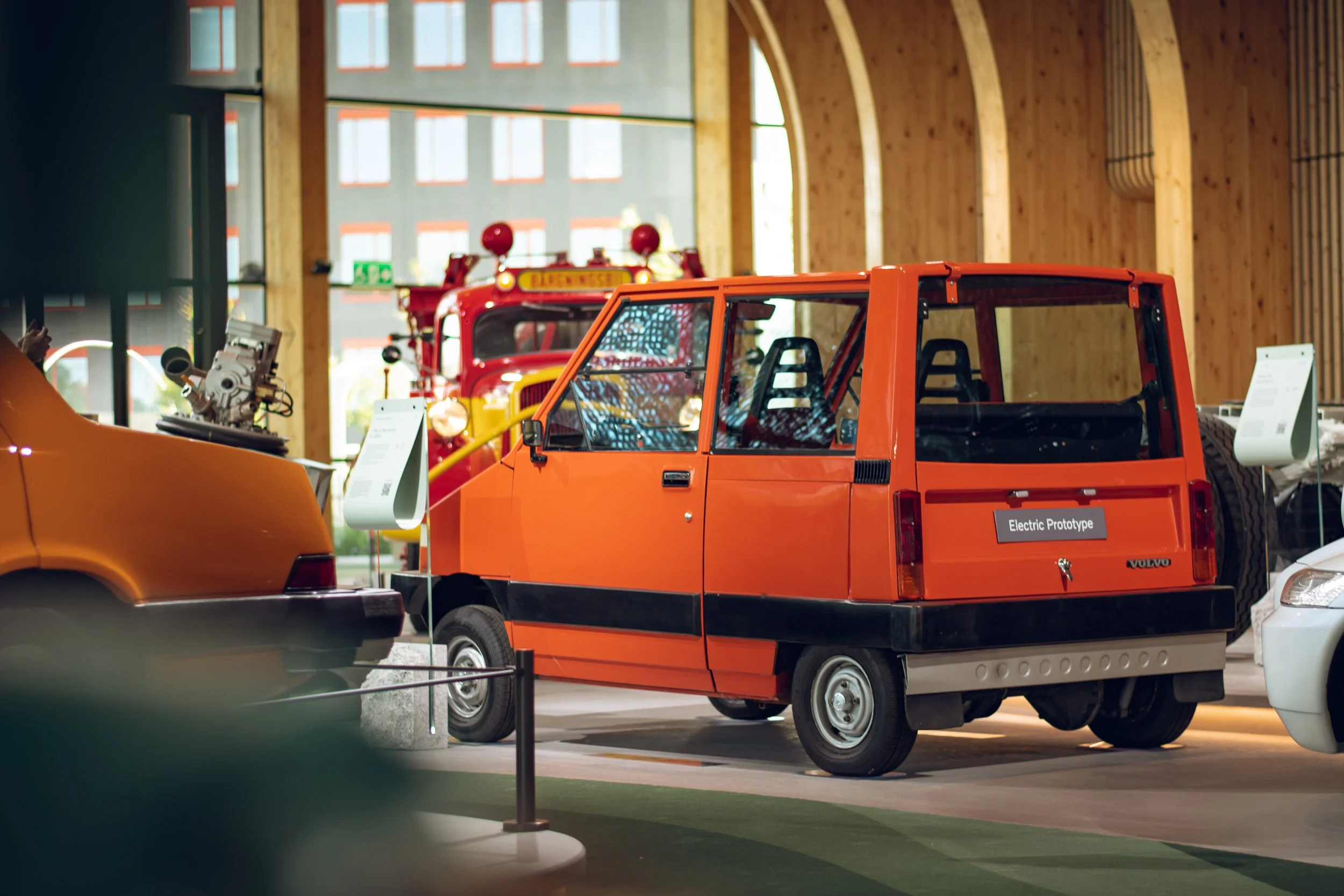
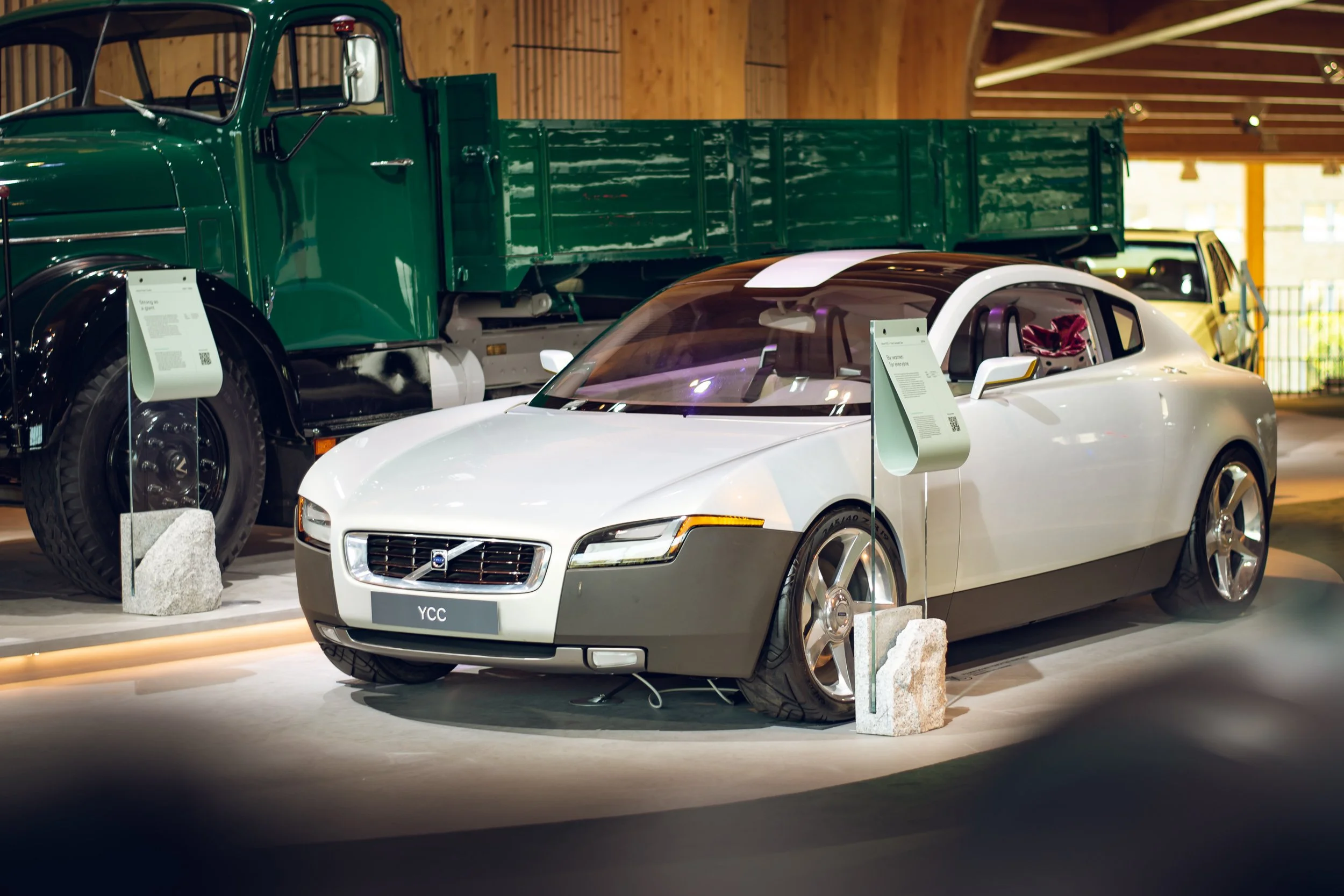
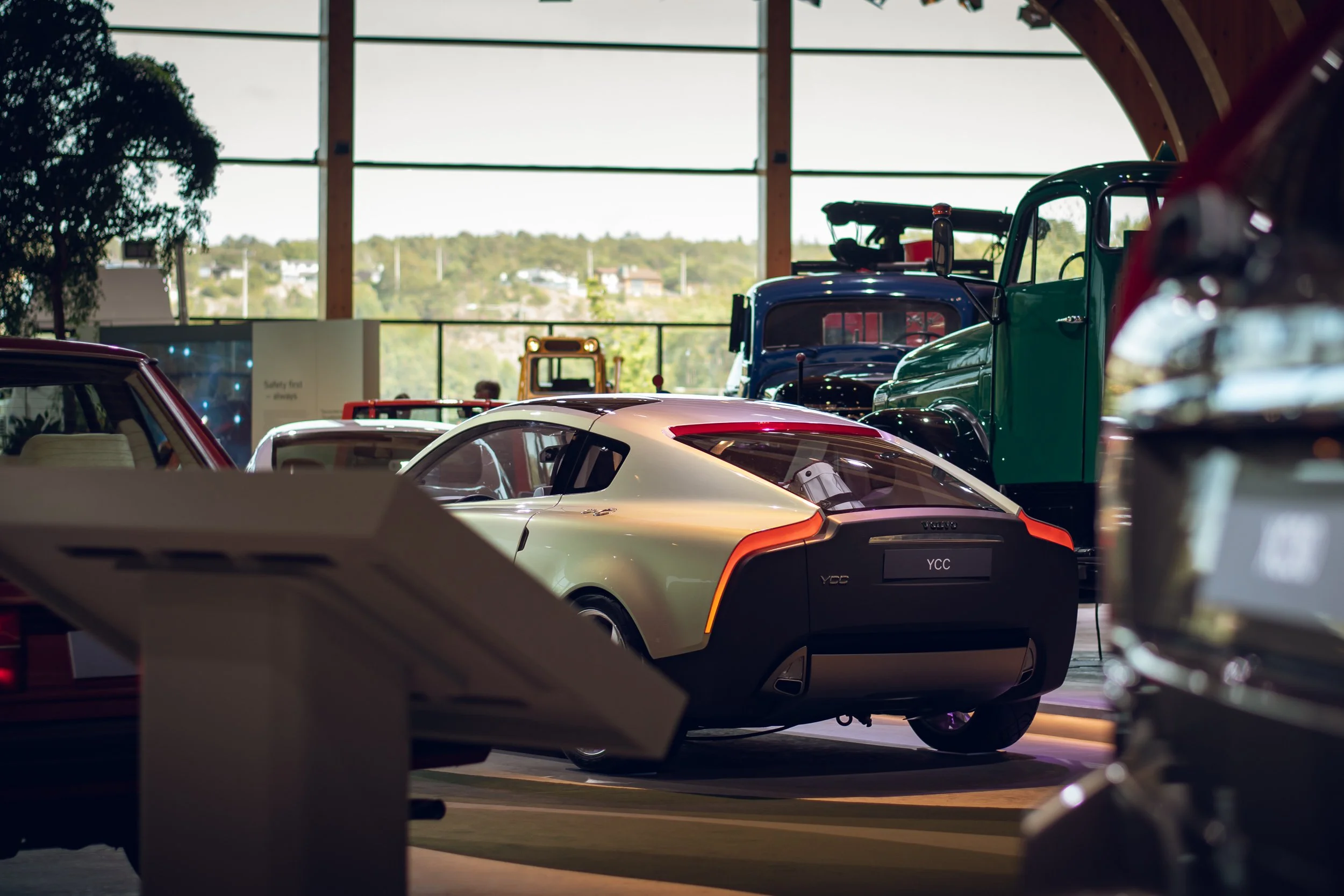
Prototypes from the 1990s are particularly fascinating – not only because they were packed with innovative safety solutions, but also because they reveal how Volvo’s later design language took shape.
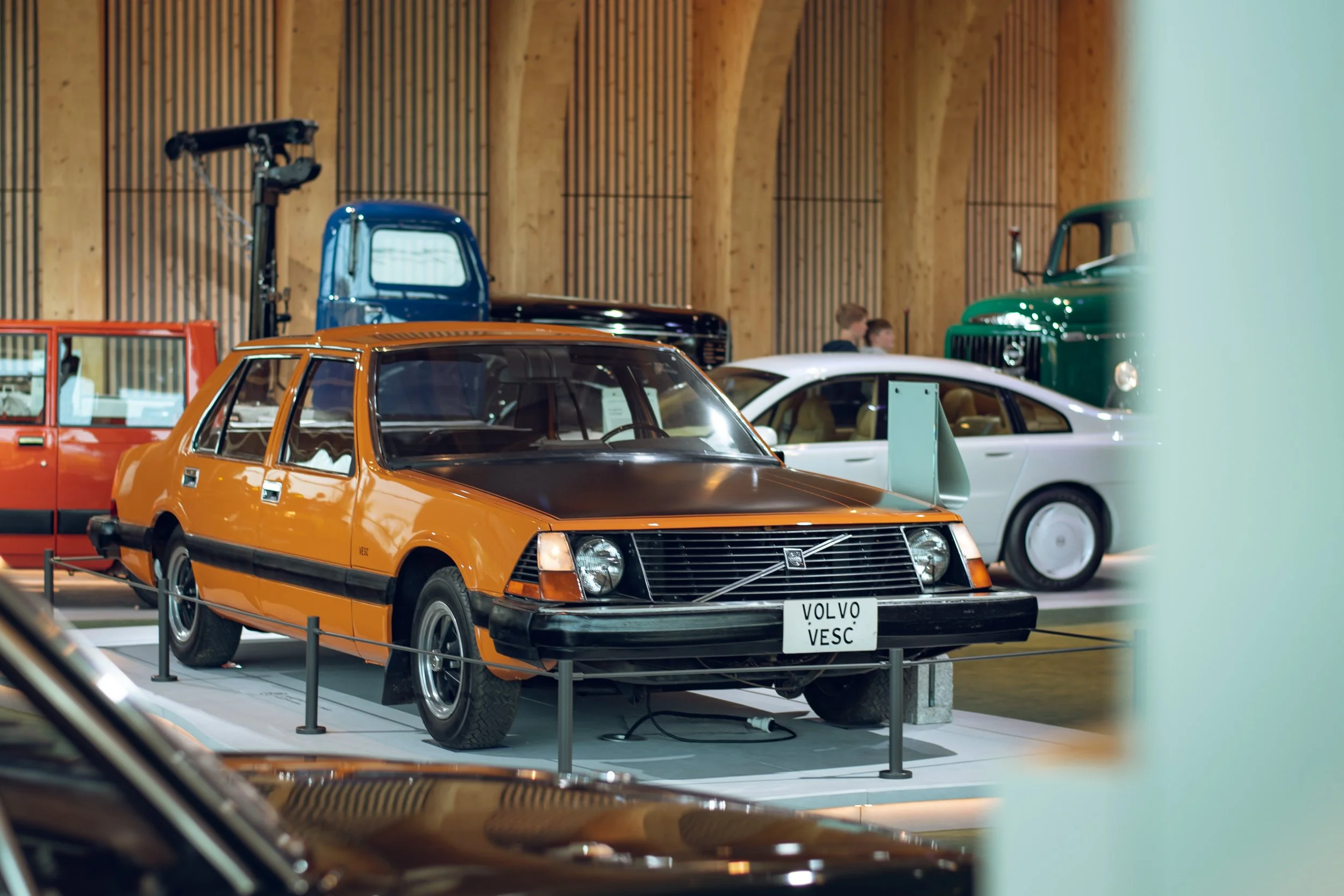
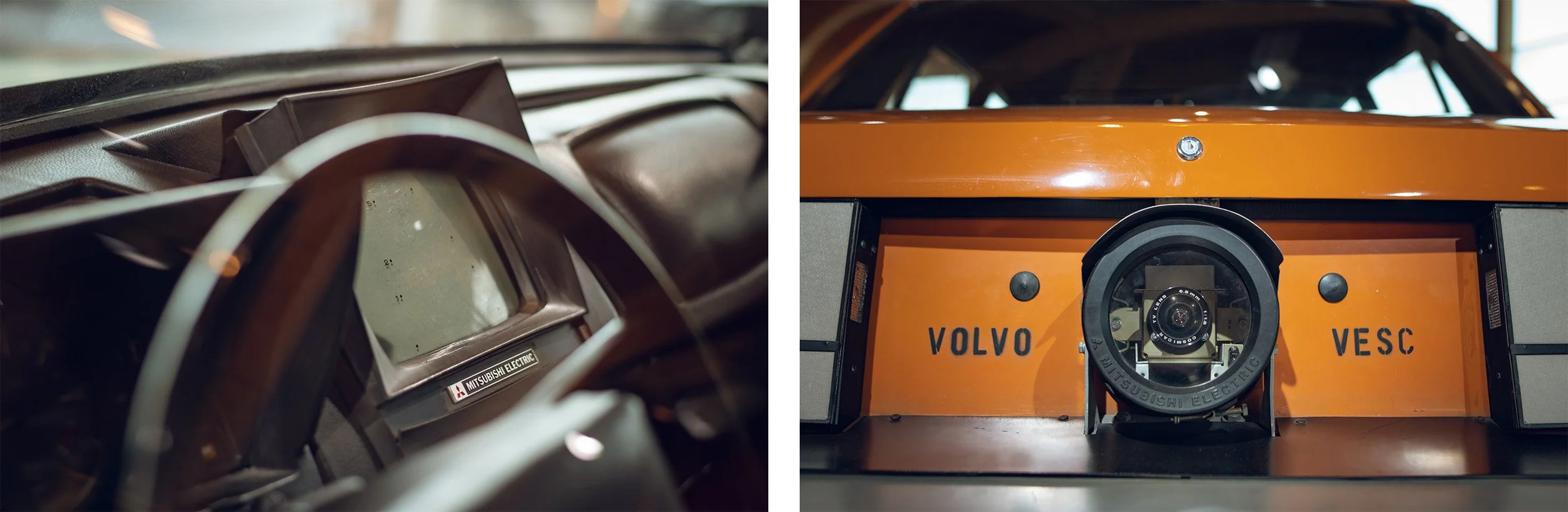
Quite rightly, one of the most prominent spots in the hall is occupied by the Volvo VESC. The name stands for Volvo Experimental Safety Car. Introduced in 1972, the vehicle was packed with an impressive number of safety features that were remarkably innovative for their time. It featured innovations such as early airbags for both front and rear occupants, anti-lock braking (ABS), advanced crumple zones, energy-absorbing bumpers, and a collapsible steering column. From today’s perspective, the feature that stands out the most is the reversing camera. The large lens embedded in the rear bumper is striking enough, but the CRT screen integrated into the dashboard looks truly extraordinary. It was undeniably a bold, forward-thinking idea – one that took many decades for technology to mature before it could be applied in mass-produced cars.
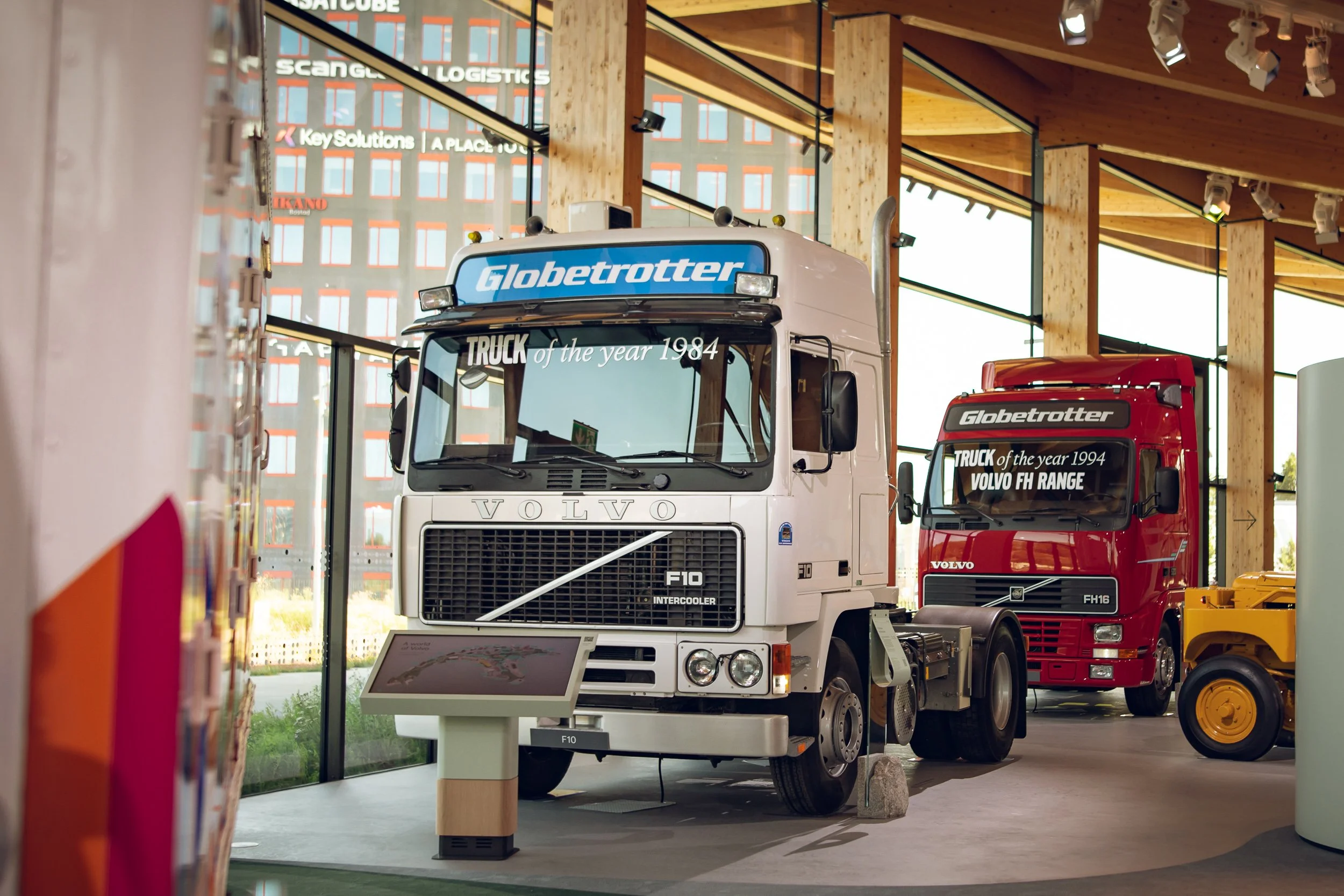
The history of Volvo is long, and the number of cars, buses and trucks it has produced is hard to count – let alone display them all in a single building. Therefore, it shouldn’t come as a surprise that, in terms of passenger cars, the collection comprises only the most legendary and oldest models, complemented by more modern prototypes. The absence of popular models from the 80s or 90s can hardly be seen as a drawback. Thanks to their legendary reliability, so many of them can still be seen on the streets of Swedish cities that there is little need to display them in a museum.
I’m glad that I finally managed to visit the World of Volvo. I liked that it focuses primarily on historic utility vehicles and lesser-known passenger car prototypes. The labels describing the vehicles are engaging and, thanks to a touch of humor, they add to the character of the place. Are you planning to visit Gothenburg? World of Volvo should definitely be on your agenda.