Wena Museum in Oława
It was a rainy Tuesday in October, and I fully expected to walk into an empty hall – maybe even wake up a bored cashier to let me in. Instead, the moment I stepped inside, I found myself in the middle of a lively crowd. Luckily, the space is huge, so people naturally spread out, giving you plenty of room to get close to the vehicles on display. Still, I was genuinely surprised by how many visitors showed up on such a gloomy day. But there is a reason for that: the Wena Museum in Oława has already gained enormous recognition, and for very good reason.
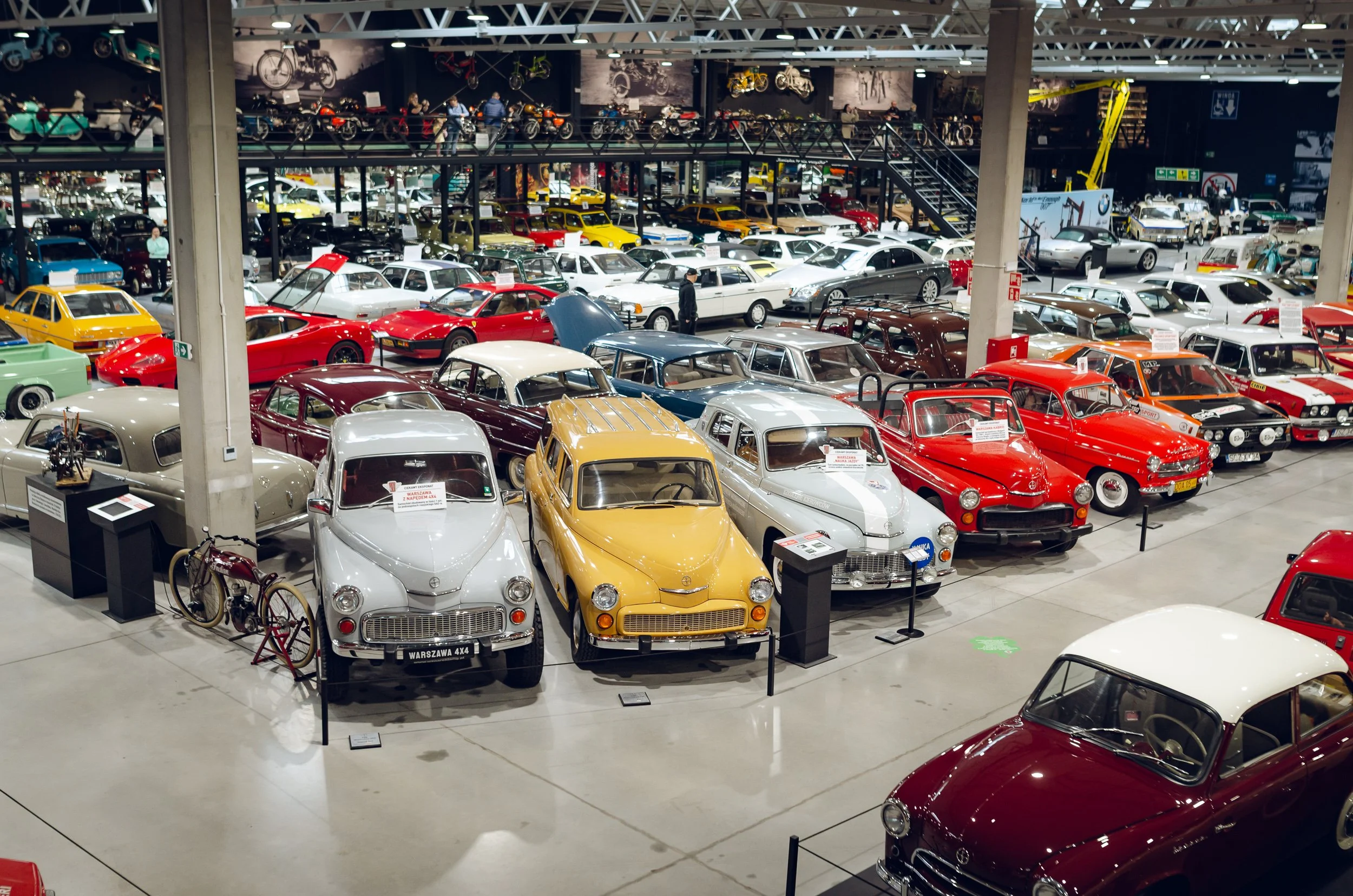
I still remember very well when the classic car community in Poland was just taking its first baby steps. Museums, events, private collections? There was virtually nothing. But the situation has changed dramatically since then. On one hand, I am fully aware of that. And yet, seeing such an amazing place as the Wena Museum in Oława still feels almost hard to believe.
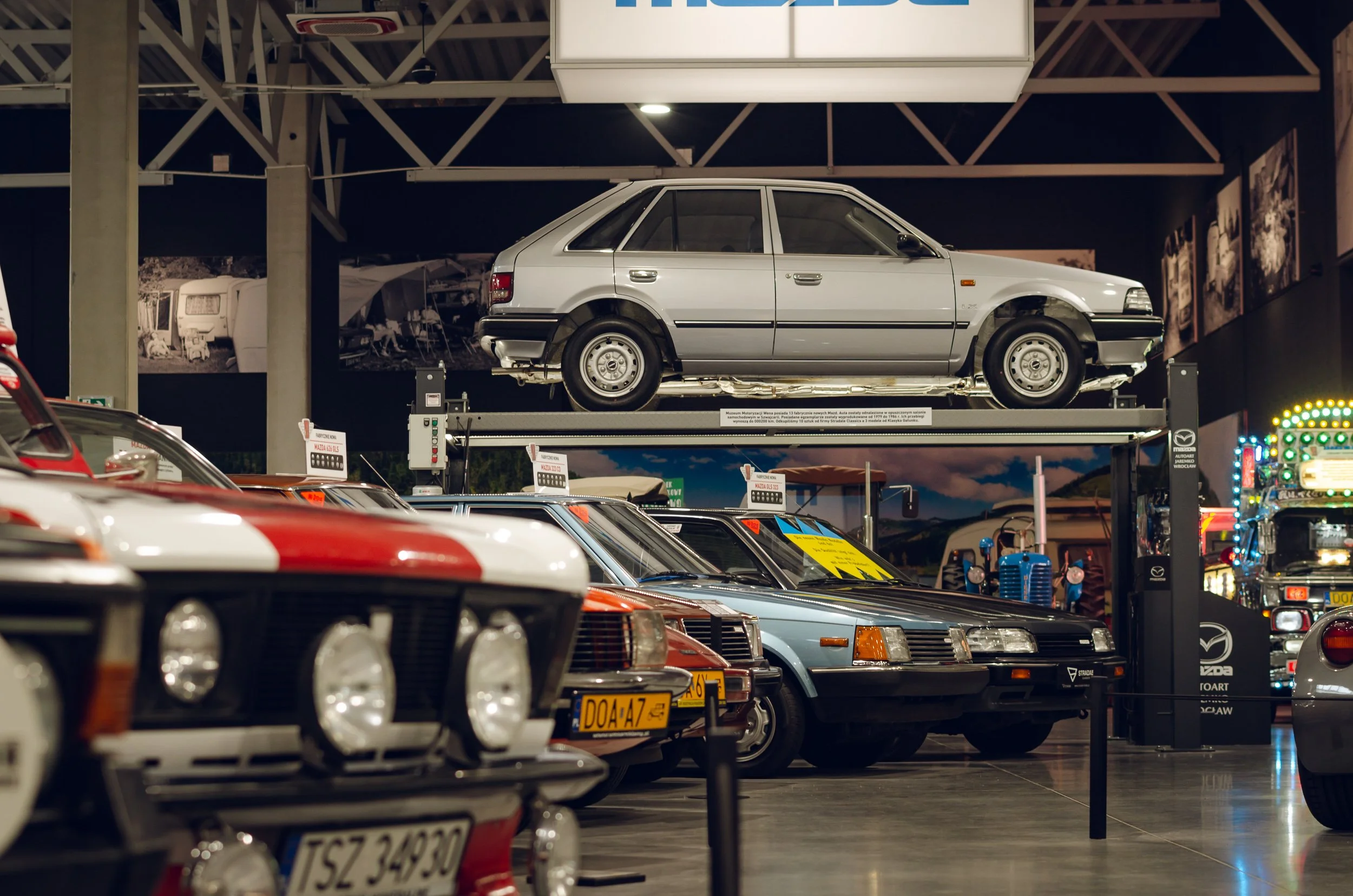
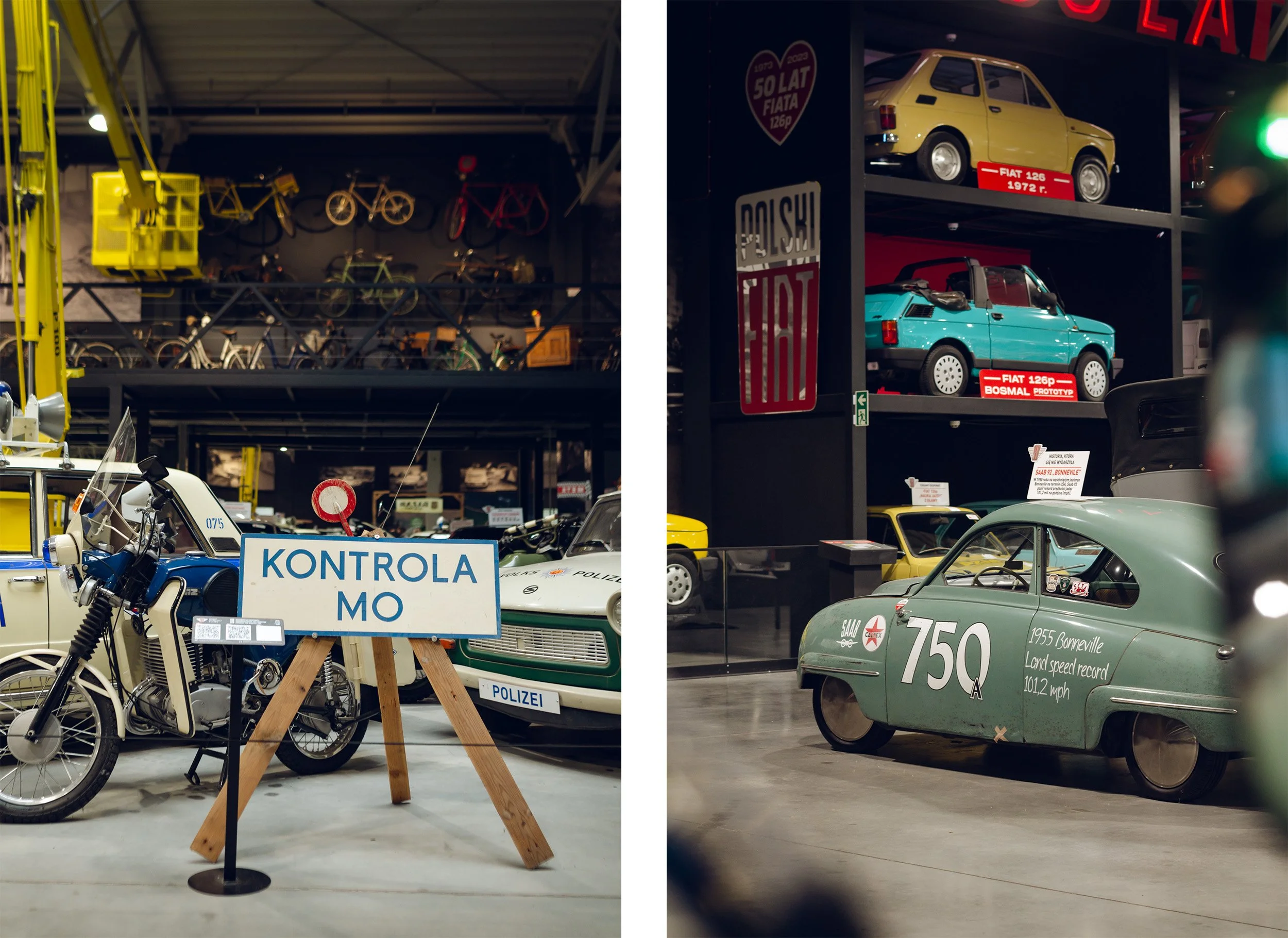
Listing every car, or even every section of the Wena collection, would make little sense. Honestly, taking a close look at every part of it was far beyond what I could manage in a single visit. Instead, I chose to focus on a few areas of the museum that felt the most interesting and unique to me – the kind of exhibits you simply cannot see anywhere else.
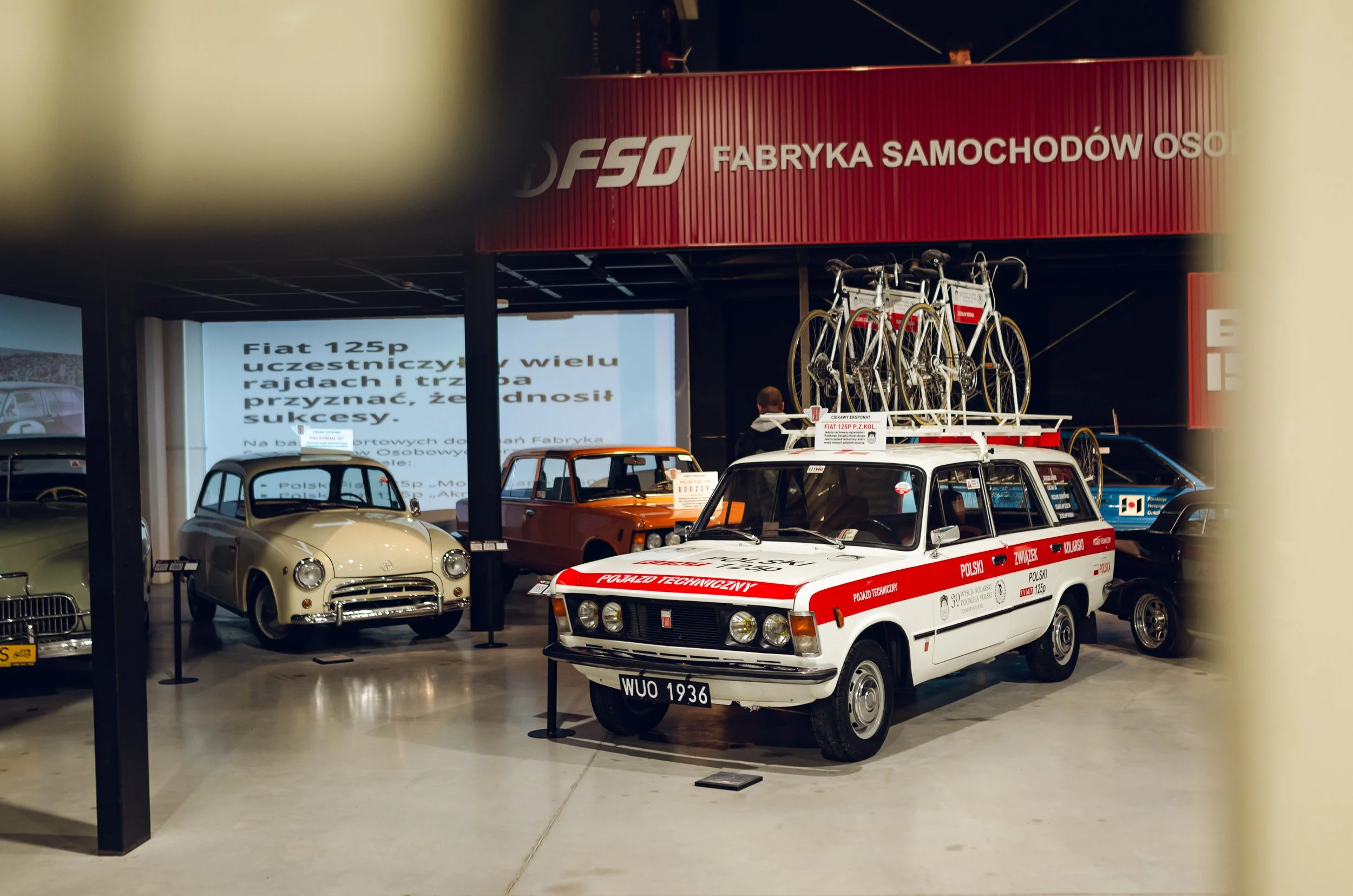
What I expected from an automotive museum in Poland was a complete collection of all the popular cars built on the eastern side of the Iron Curtain. I was wrong. Instead of focusing on familiar mass-produced models, the museum has assembled an astonishing number of prototypes and rare forgotten vehicles. And even when you do come across a mass-produced car, you can be sure that this particular example has a special story behind it. It might be the first or last car to leave the production line, one preserved for 50 years with virtually no mileage, or a vehicle that once belonged to someone famous. Examples include a Polski Fiat 126p used by the children of Bob Marley, or an Autobianchi that belonged to Joseph Ratzinger decades before he became pope.
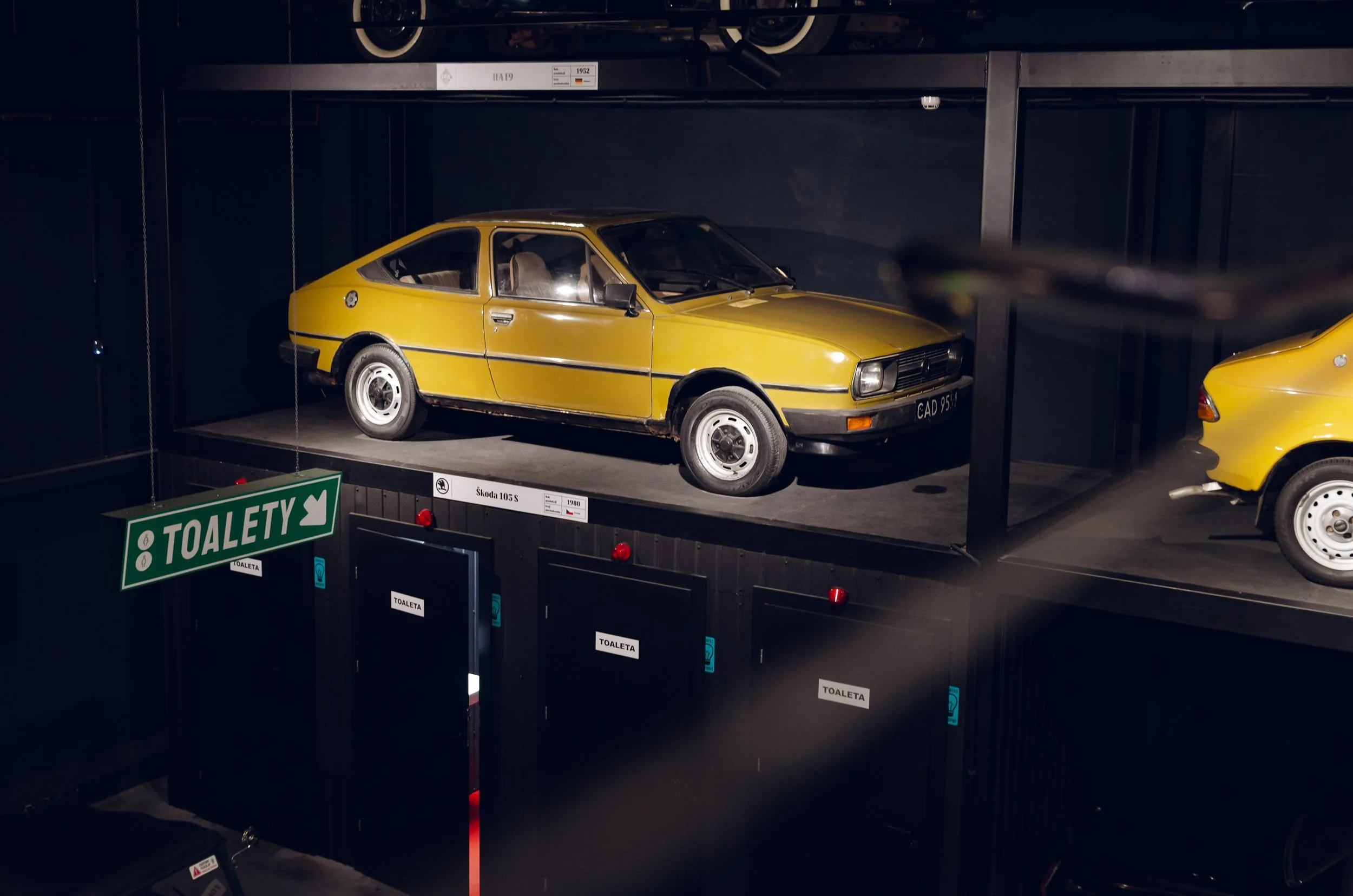
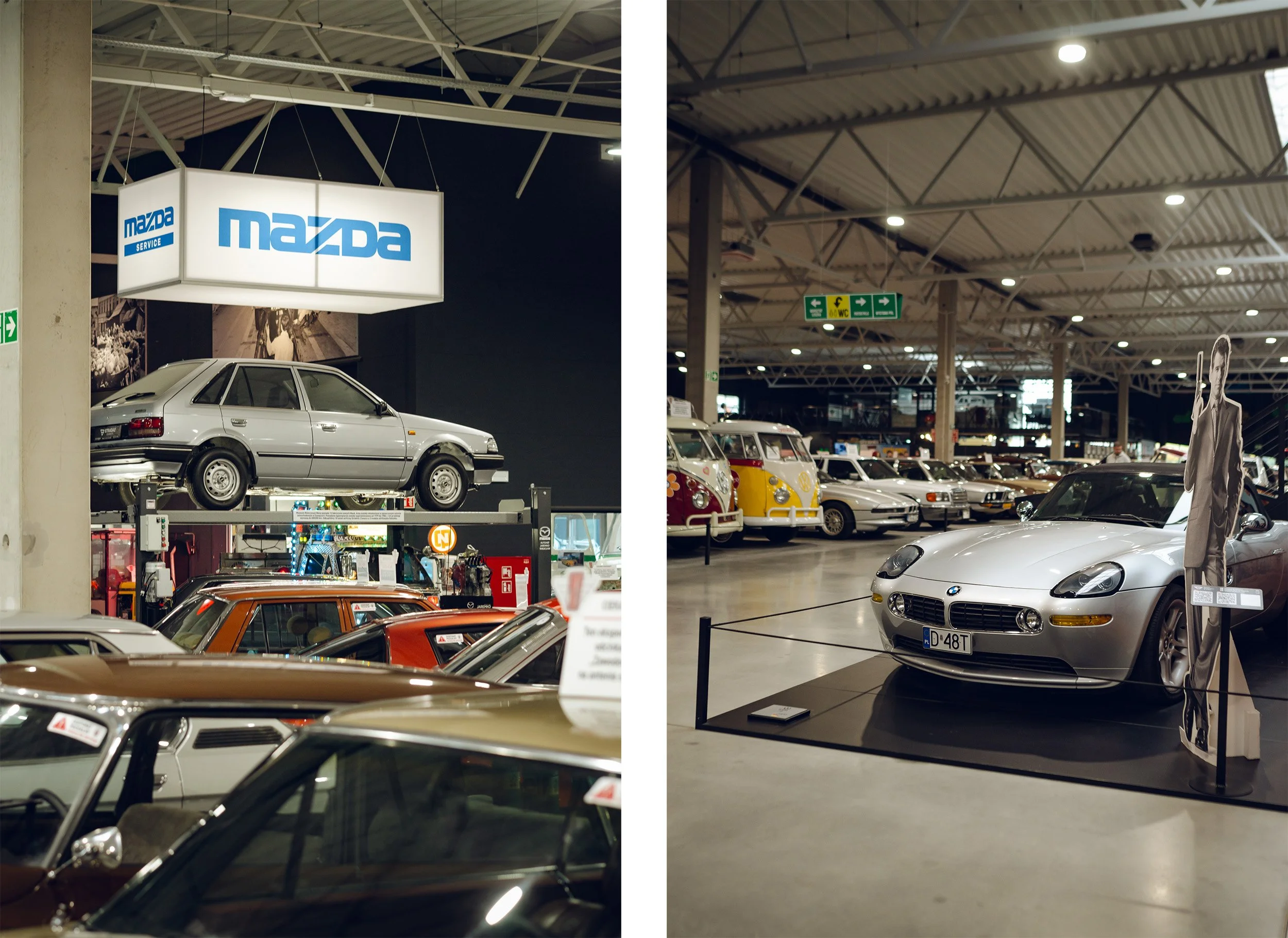
The majority of car collections focus on sports and luxury cars – the kind better known from posters than from real streets. It always makes me happy to see popular everyday models and utility vehicles receiving the respect they truly deserve. And Wena is definitely a place where they do.
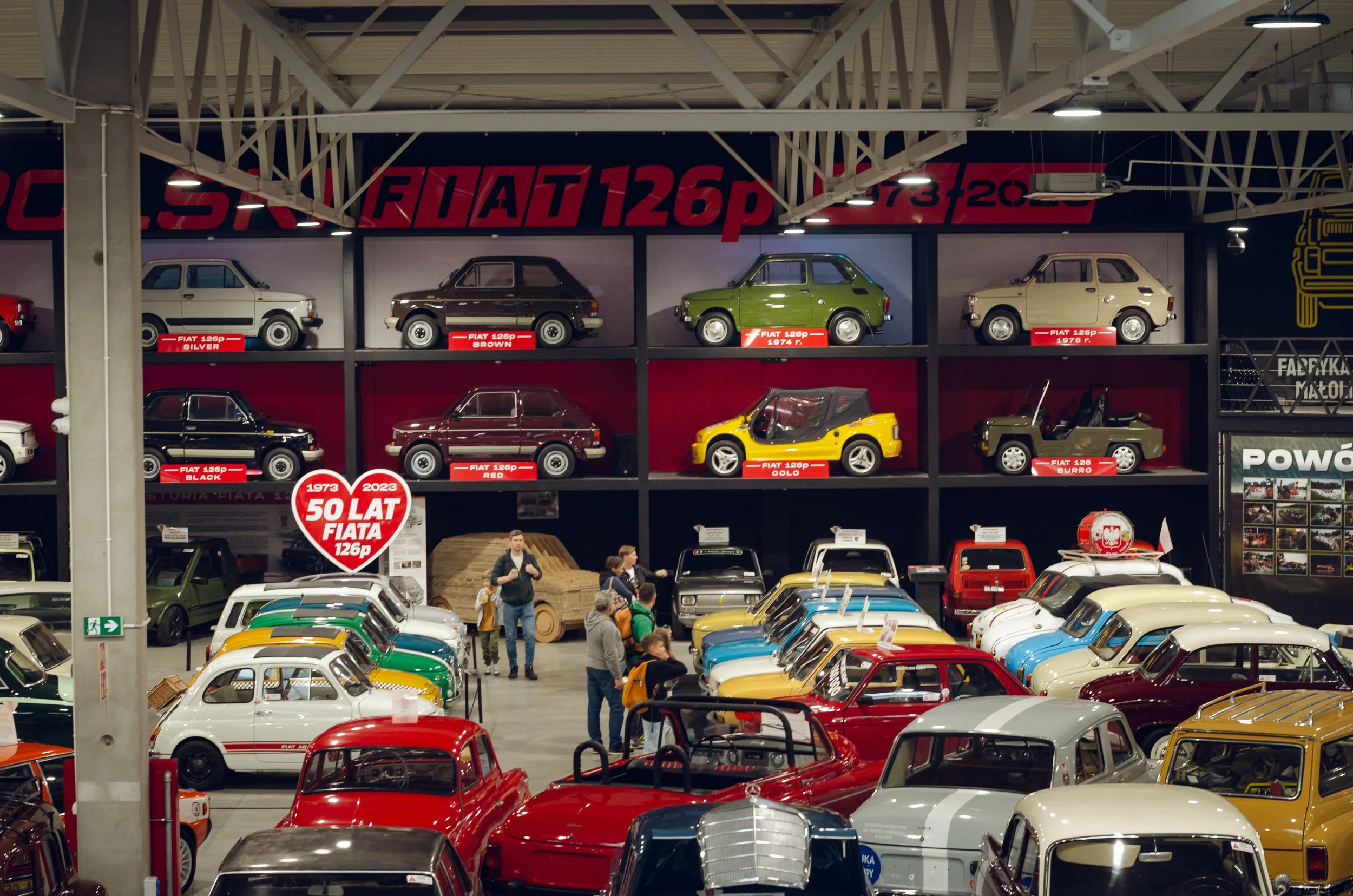
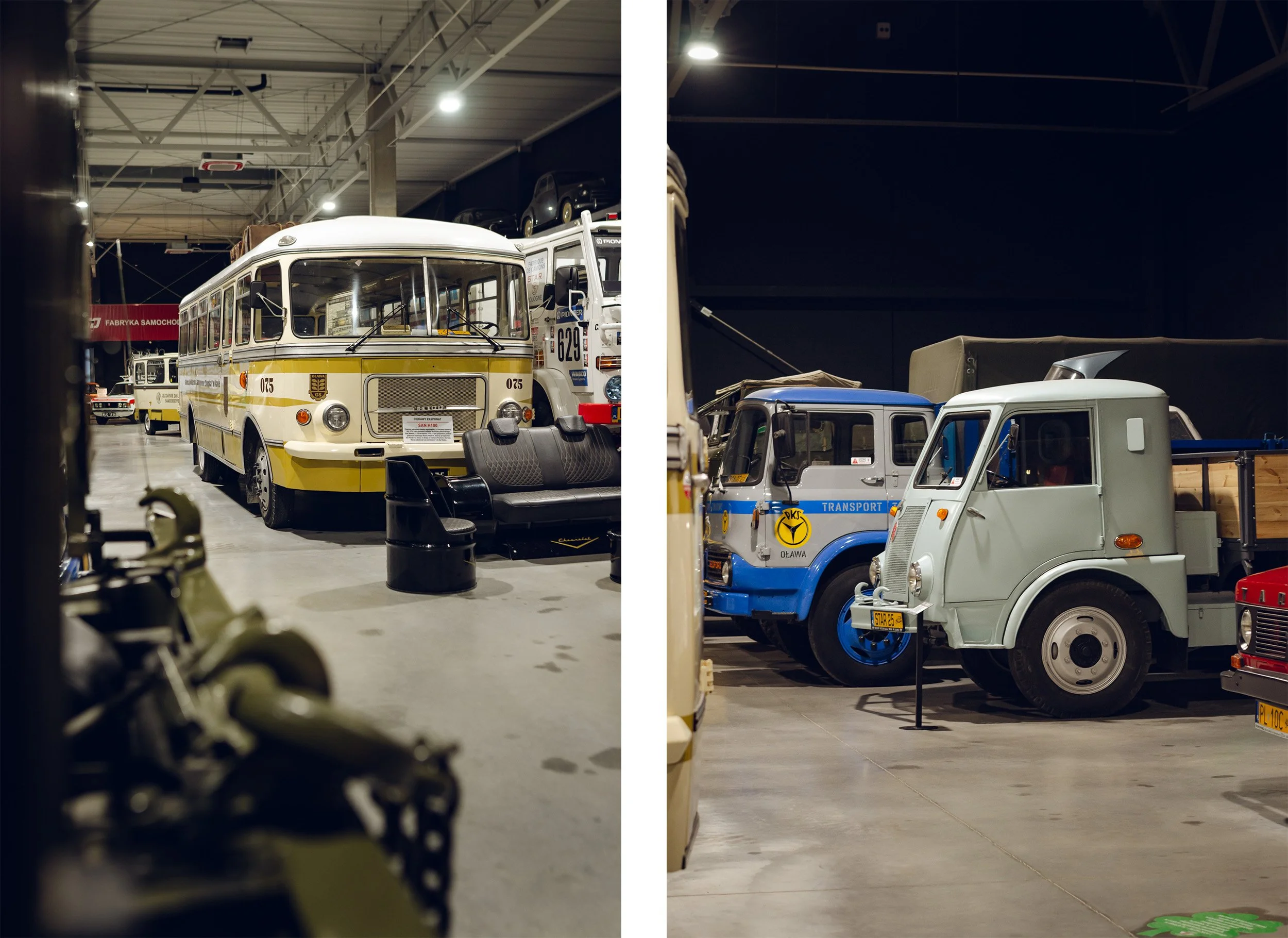
One of the halls is devoted almost entirely to vans, trucks, and buses. I was immediately drawn to the STAR truck that once took on the Paris–Dakar Rally, but my heart really skipped a beat when I spotted the SAN H‑100. It’s not just a milestone in automotive history, the first European bus with a self‑supporting body, but also a beautifully designed piece of machinery. And the example on display comes with a great story: in 1976, it carried the Real Madrid football team to their match against Stal Mielec.
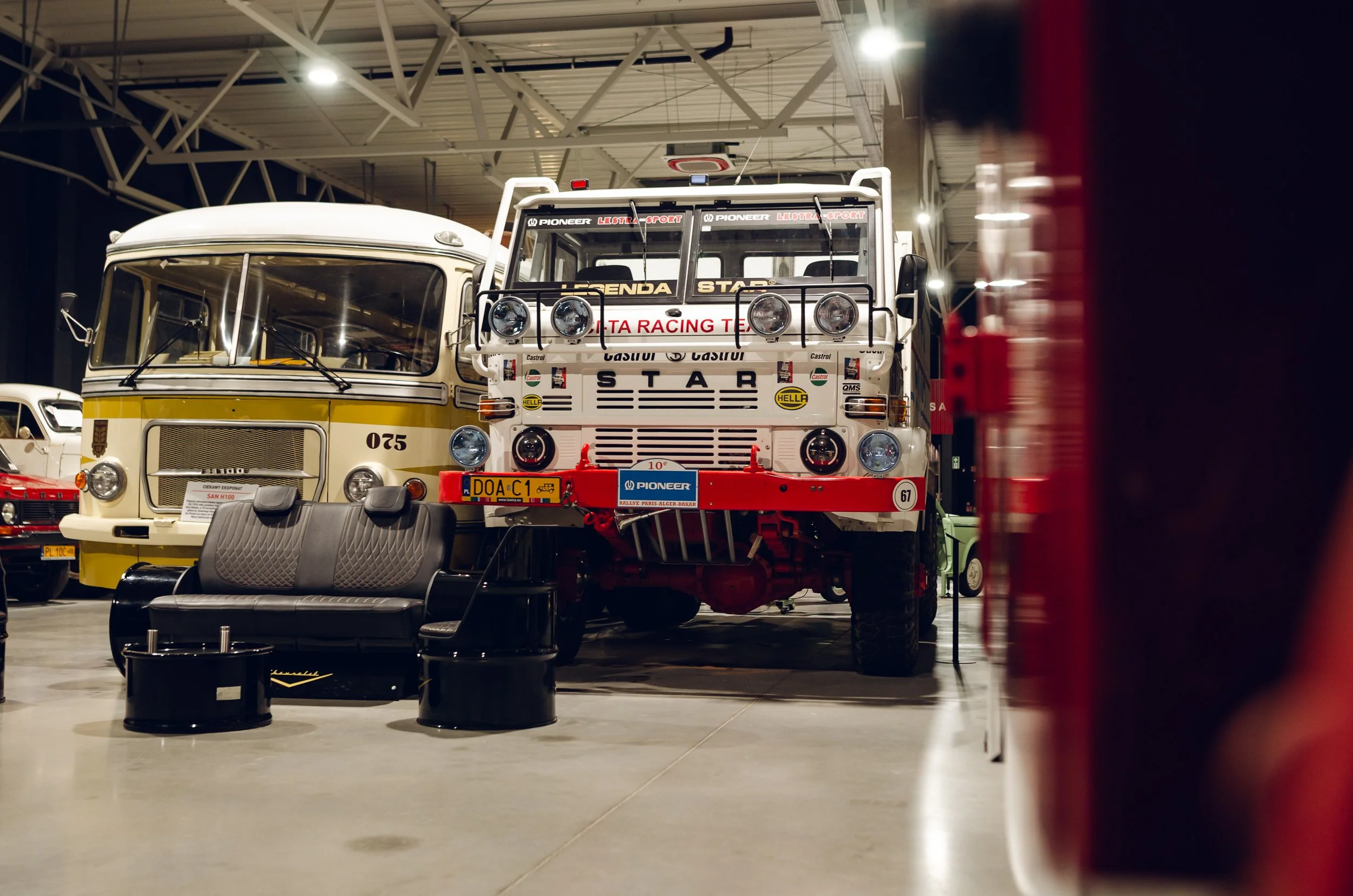
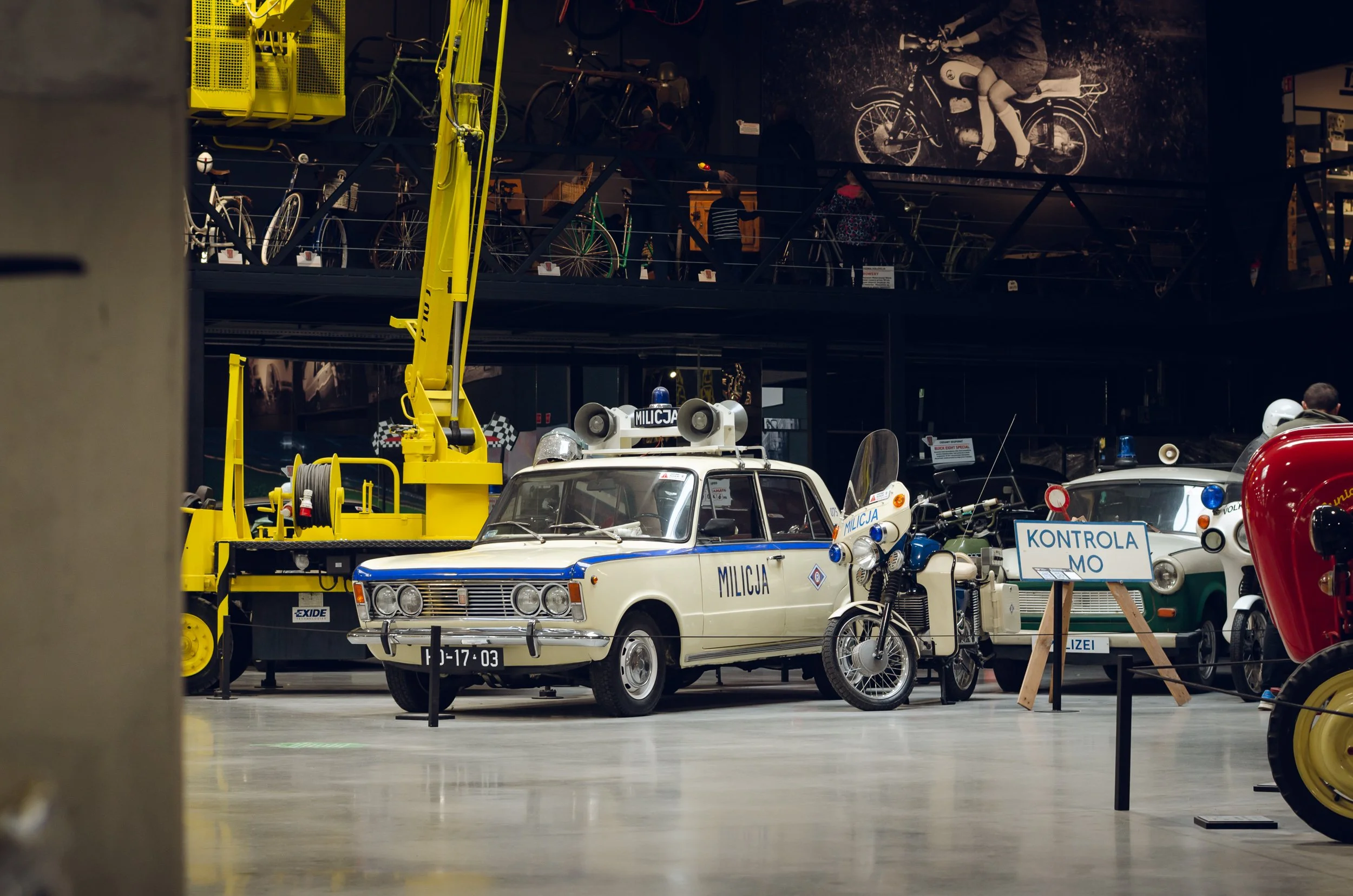
In the museum, visitors can discover a wide range of prototypes and one-off vehicles. The latter are usually associated with unique, ultra-luxurious machines worth millions, the kind typically seen at events like the Concorso d'Eleganza. In the reality of communist-era Europe, however, single-built vehicles were created not as the whims of wealthy collectors, but as practical solutions to meet the everyday needs of ordinary people. Many of them were based on damaged examples of popular mass-produced cars, rebuilt with entirely new bodies that gave them specialized functions. Sometimes, talented constructors would even use the remains of wrecked vehicles to create their own completely original, one-of-a-kind machines.
A perfect example of such ingenuity is the “Oławski Jelcz,” a remarkable one-off vehicle that looks like a miniature Jelcz PR110 bus. Its instantly recognizable appearance comes largely from the distinctive windows borrowed from the full-size bus. This unique machine was originally built by local Oława engineer Jan Lisiecki, and for years it remained little more than a forgotten curiosity. A few years ago, it was rediscovered in terrible condition, before being rescued by the museum team. After months of painstaking restoration work, it has now been brought back to a truly beautiful condition and stands as one of the most charming exhibits in the collection.
An example of a car that appears completely ordinary at first glance is the blue FSO Polonez Atu. Yet its story is anything but mundane. In the 1990s, several thousand examples of the model were exported to France, where it was famously sold through E.Leclerc supermarkets as the cheapest brand-new car available on the French market at the time. This particular example was purchased as a gift for an 18-year-old girl. Unfortunately for the new owner, and thankfully for us, the lack of air conditioning proved to be a deal-breaker, and she refused to drive it. Now, we have the opportunity to see how those fast-rusting cars looked like when they were leaving the factory.
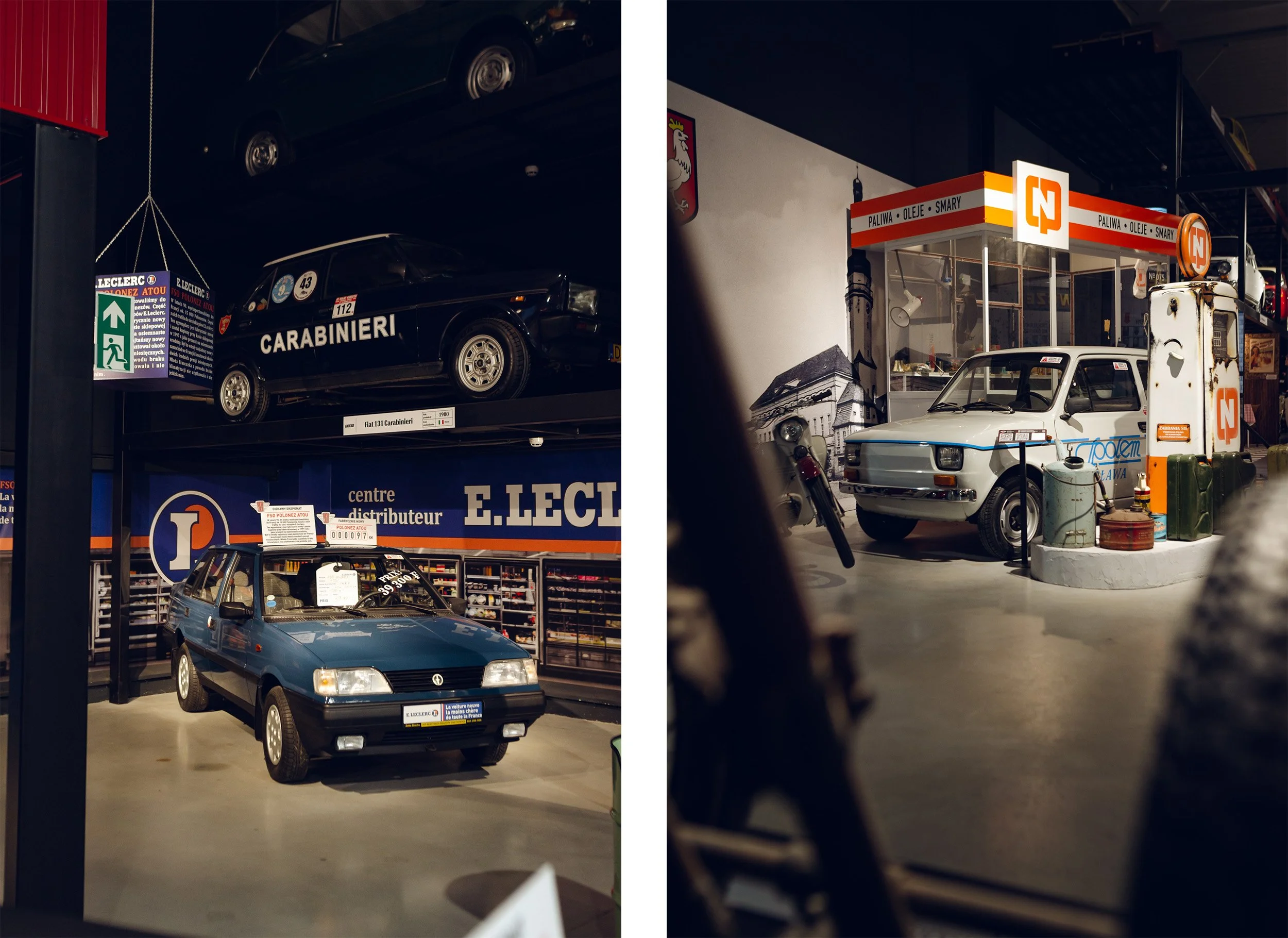
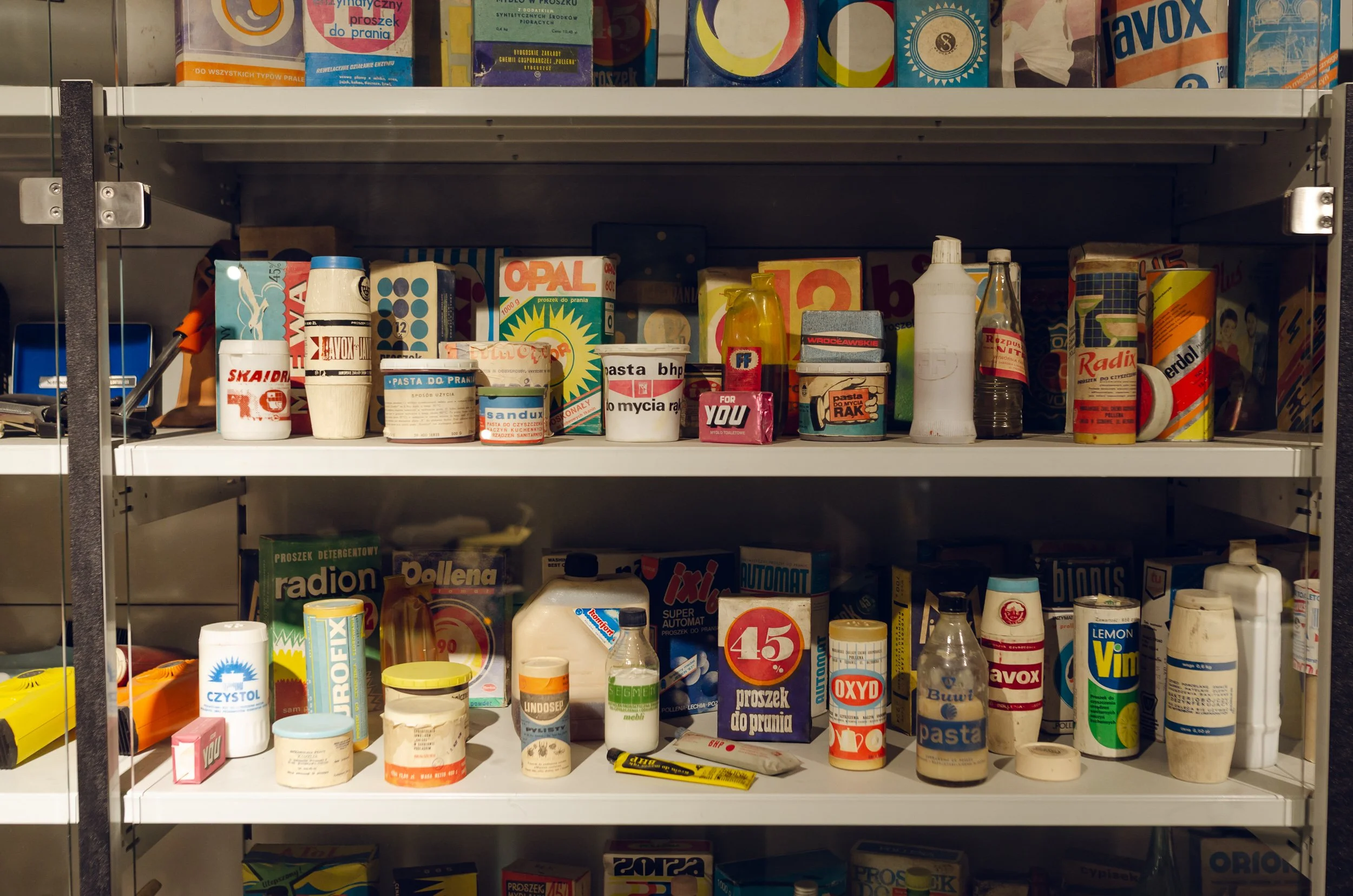
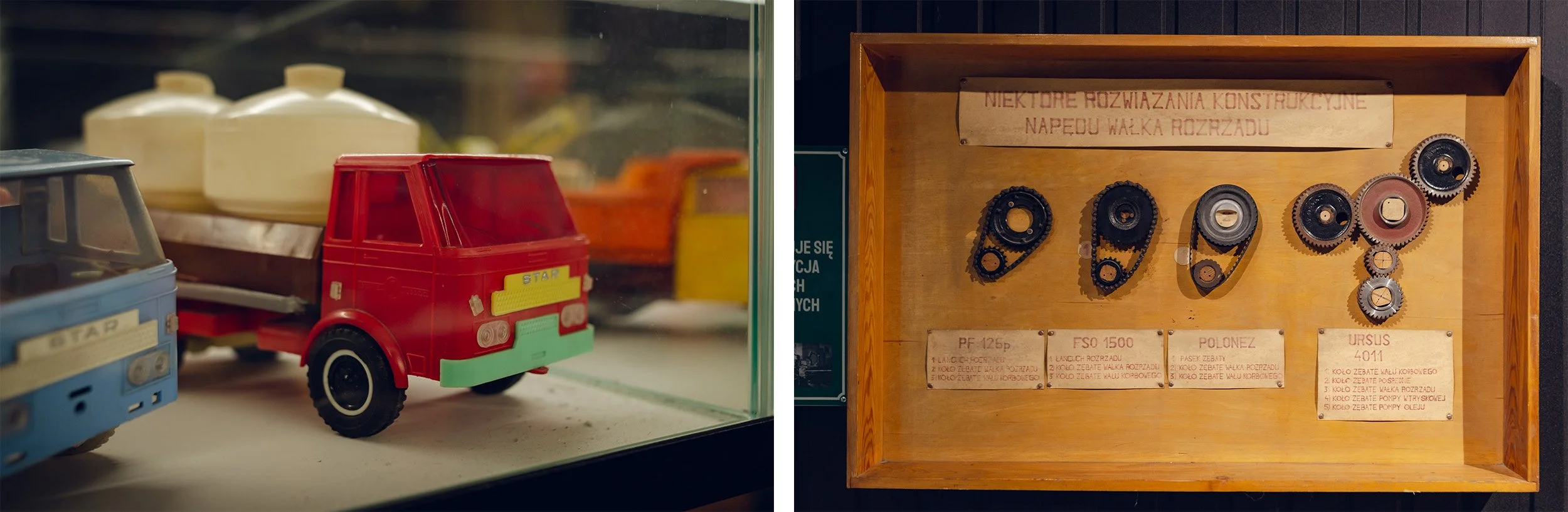
Although the Muzeum Wena is devoted primarily to motoring, it also houses an impressive collection of artefacts from the communist-era Poland, known locally as the PRL era. Beyond the countless everyday household appliances and product packaging that could once be found in almost every Polish home of the 1970s and 1980s, the museum goes a step further by recreating entire spaces and slices of daily life from that period. Two of them particularly caught my attention: a faithfully reconstructed CPN petrol station – the state fuel brand that existed before Orlen – and the recreated interiors of an automotive technical school in Oława, complete with period educational charts and original aids once used to teach car construction and repair.
I have not even mentioned half of the things that stayed in my memory from Muzeum Wena, and this article is already becoming far too long. It is the kind of place you can explore for several hours and still feel the need to come back more than once. Shortly after my visit, the museum even opened another hall filled with fascinating machines. Work is also constantly continuing behind the scenes, where more vehicles are being carefully restored. I was especially drawn to the Setra bus that is currently being finished, but perhaps the most intriguing project waiting in line is the mysterious Bałtyk coach. Until quite recently, almost nobody even remembered that such a vehicle had ever existed, and yet before long it will likely rise again from what was once little more than a total wreck.
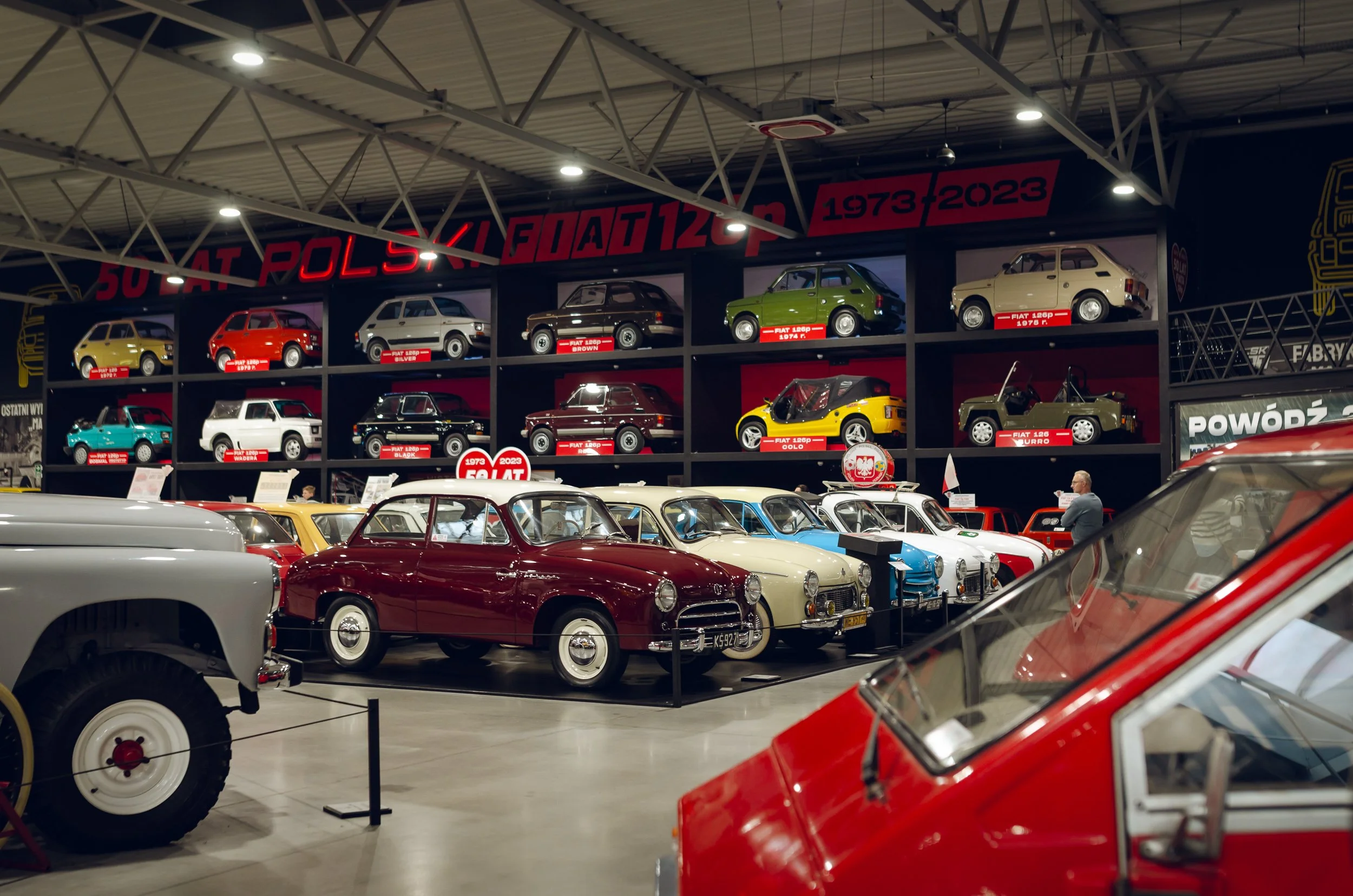
Muzeum Wena in Oława truly feels like a unique destination on the European motoring map. It is a fascinating place not only for Poles looking to reconnect with memories and nostalgia, but also for visitors from around the world who carry a love for classic cars in their hearts. Here, you can uncover countless little-known stories while spending hours admiring rare and beautifully preserved vehicles. With one of the largest private automotive collections in Central Europe and an atmosphere built equally on passion and storytelling, it is a place that is wholeheartedly worth recommending.