At first glance, the most obvious way to design a museum dedicated to a single car manufacturer would be to fill every available square meter with all the models it ever produced. A neat, chronological parade of vehicles, from the earliest examples to the final production cars, seems like the natural choice. The creators of the Saab Car Museum, however, were faced with a different challenge – and, at the same time, a creative opportunity. Saab’s automotive history is not defined by an overwhelming number of models. Rather than limiting the museum, this fact opened the door to a more ambitious narrative.
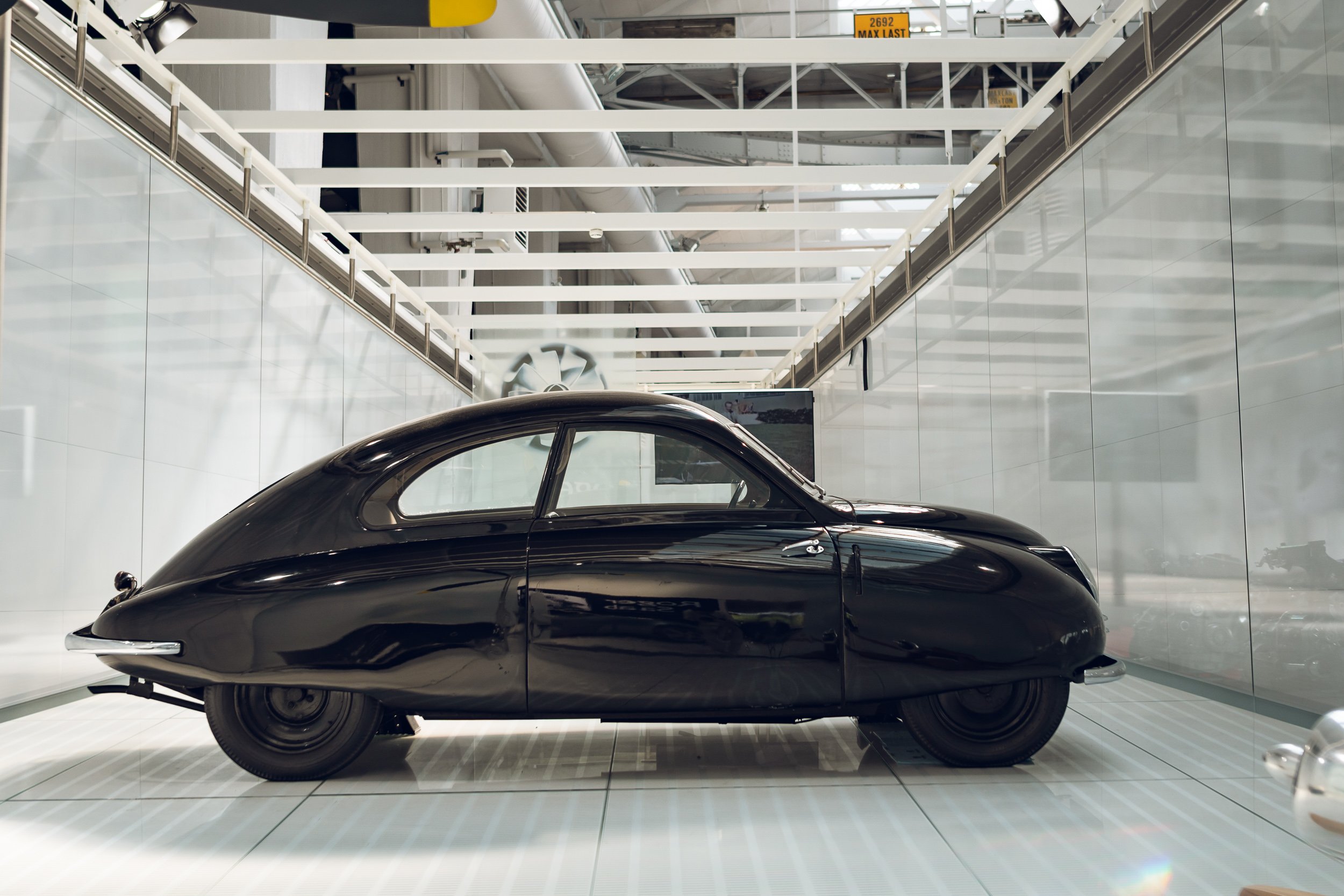
Instead of focusing solely on production vehicles, the exhibition invites visitors to look behind factory walls. It offers a deeper insight into how Saab cars were conceived, engineered, and refined, revealing the design philosophy, technical experimentation, and development processes that shaped the brand.
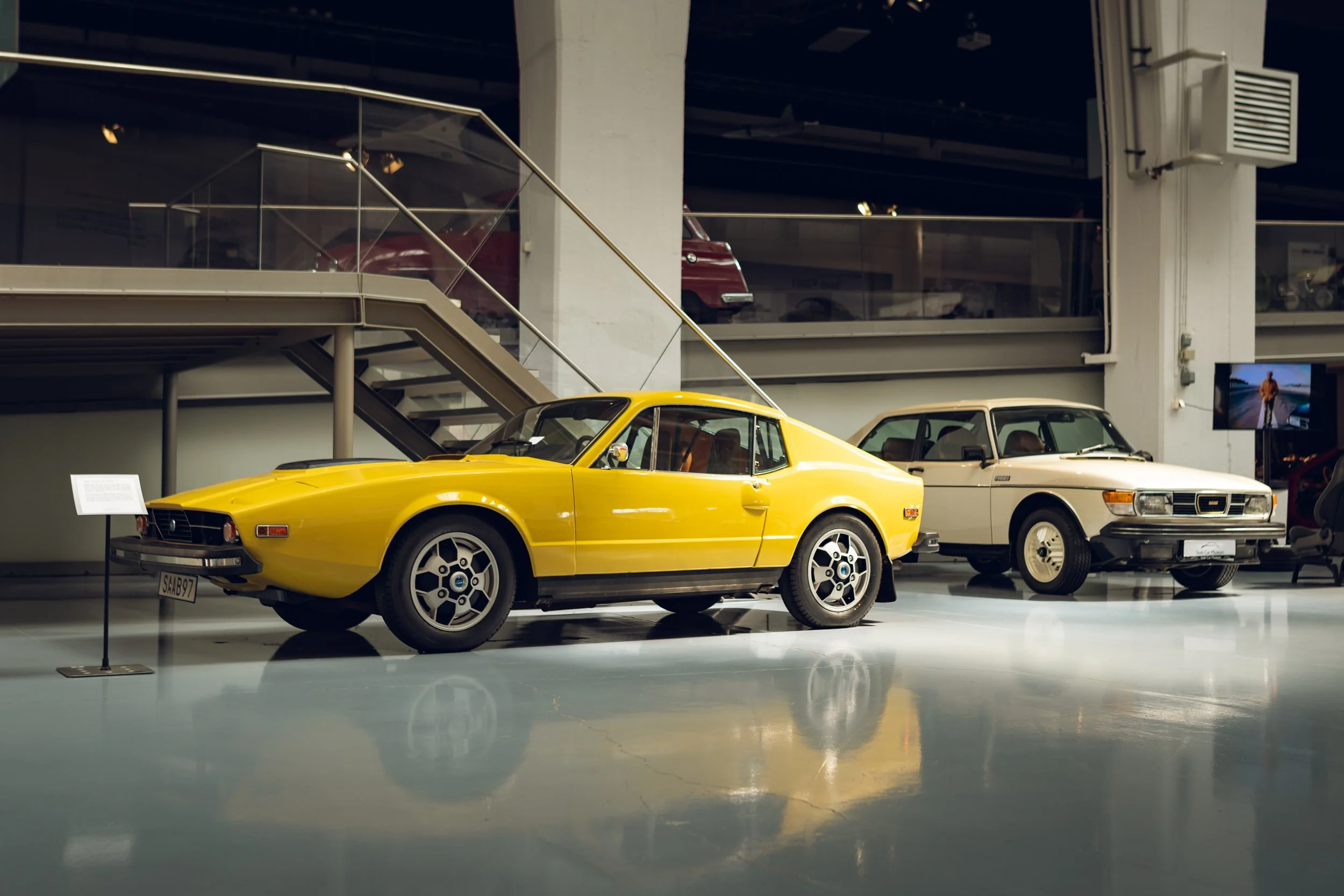
The museum is located in Trollhättan, a town with a long industrial heritage. The hall in which visitors now quietly stroll among historic cars was once filled with the noise of mechanics working on steam locomotives. Nearby, one can see historic canals and locks built in the nineteenth century. Their impressive wooden gates are no longer in use, yet they remain a major attraction for visitors. A walk through this area makes a perfect continuation after a visit to the Saab Car Museum.
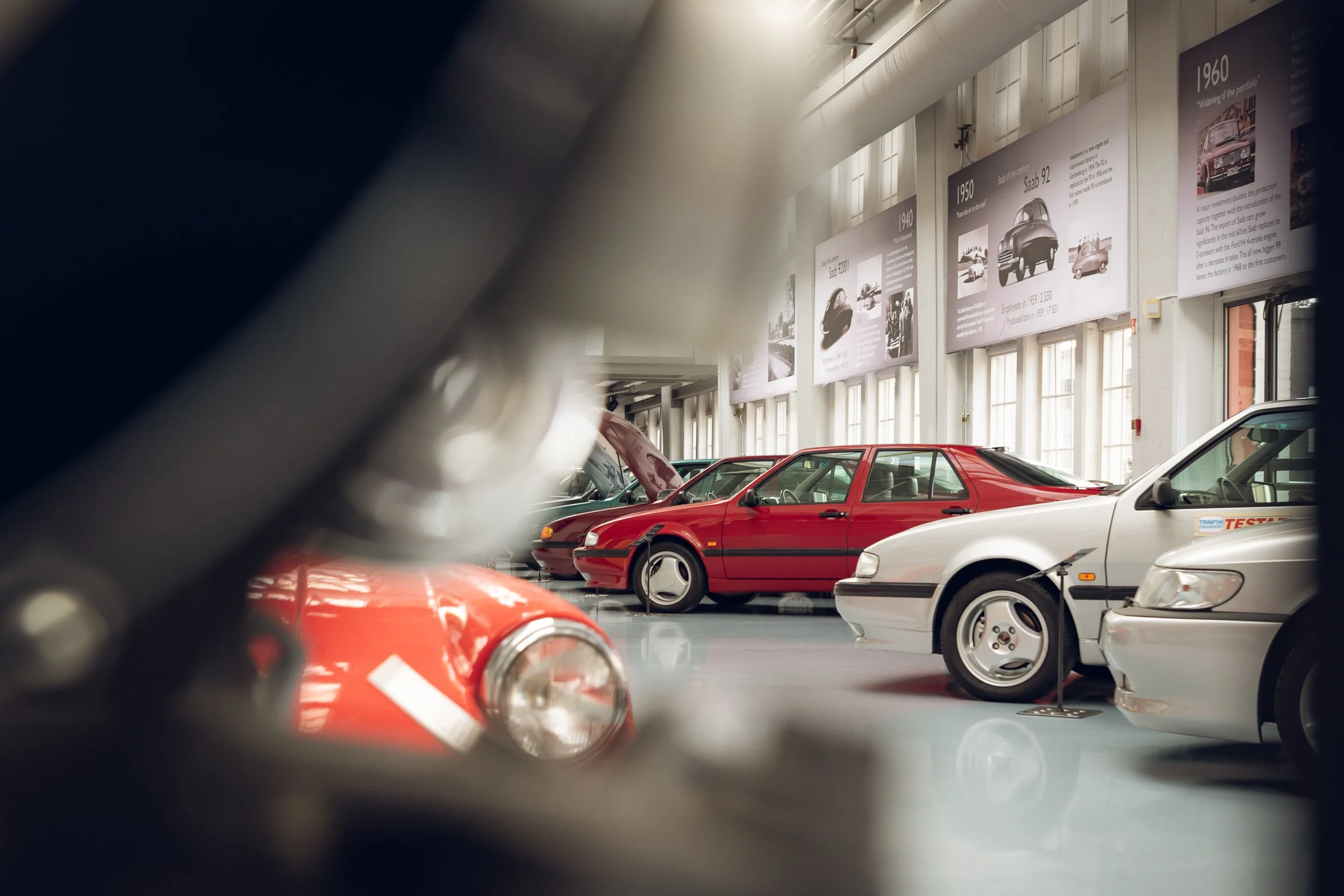
I like places like this. Spectacular modern museums of German manufacturers are great, but sometimes lack soul. Old buildings, filled with smell of old greases and oils bring something more to the table. The best example of such a place, I have experienced, was the Tatra Truck Museum in Kopřivnice. Its former factory halls, lacking air conditioning, were filled with the smell of grease and other automotive fluids. The museum has since moved into a modern building, but the Saab Car Museum, on a smaller scale, still offers a similarly honest, multisensory experience.
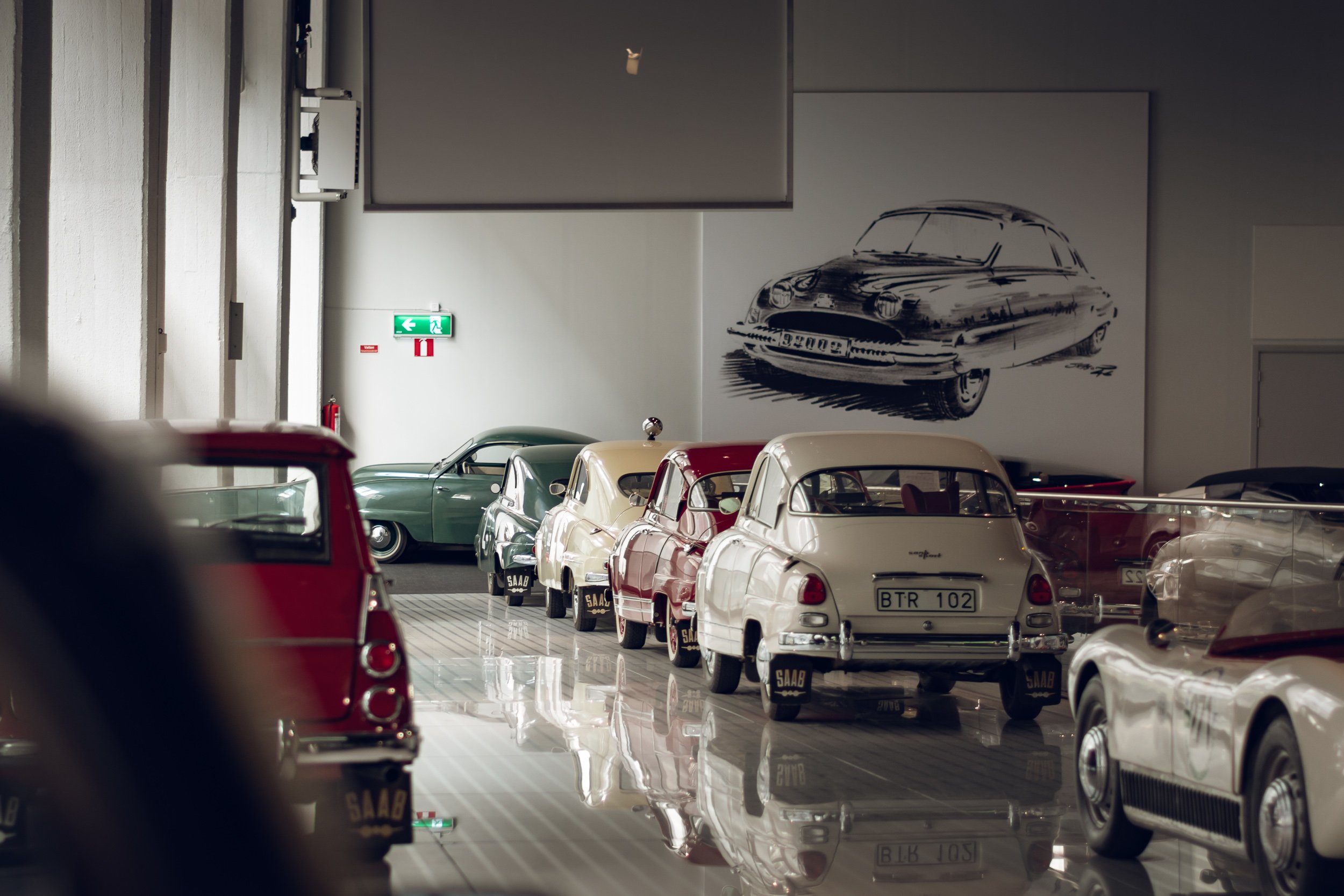
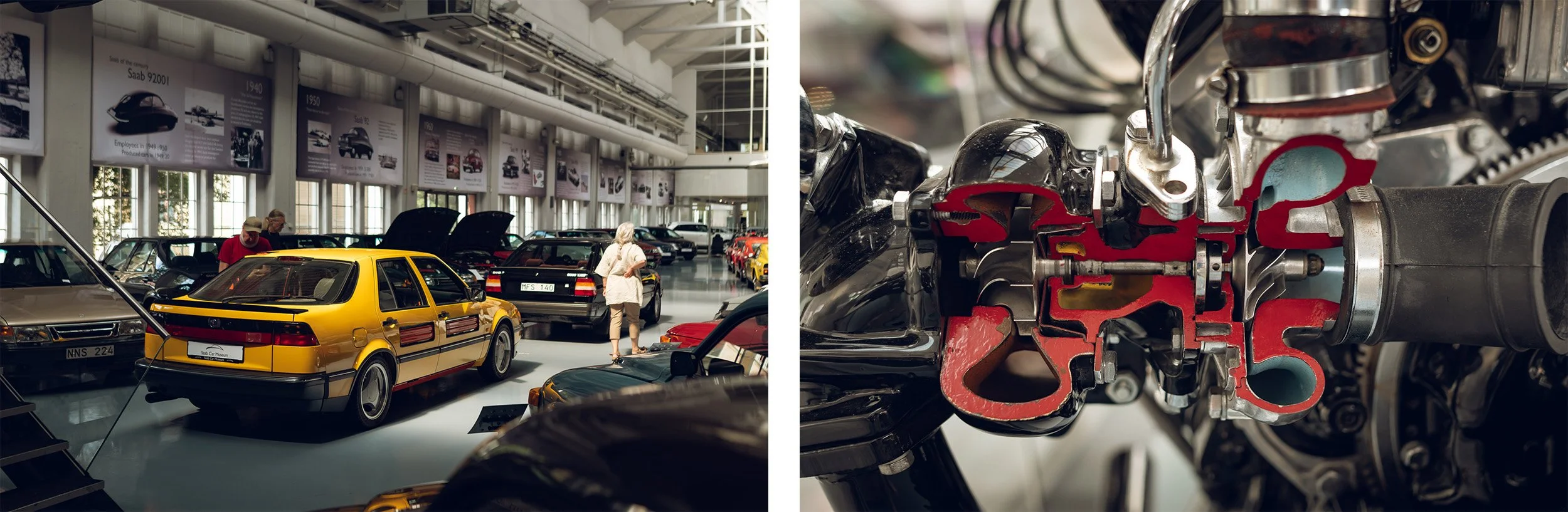
As the portfolio of production cars was not that big, there was a lot of space left in the building for prototypes and other special expositions. Rally cars, prototypes or collection of engines – the variety of object on the exposition is impressive.
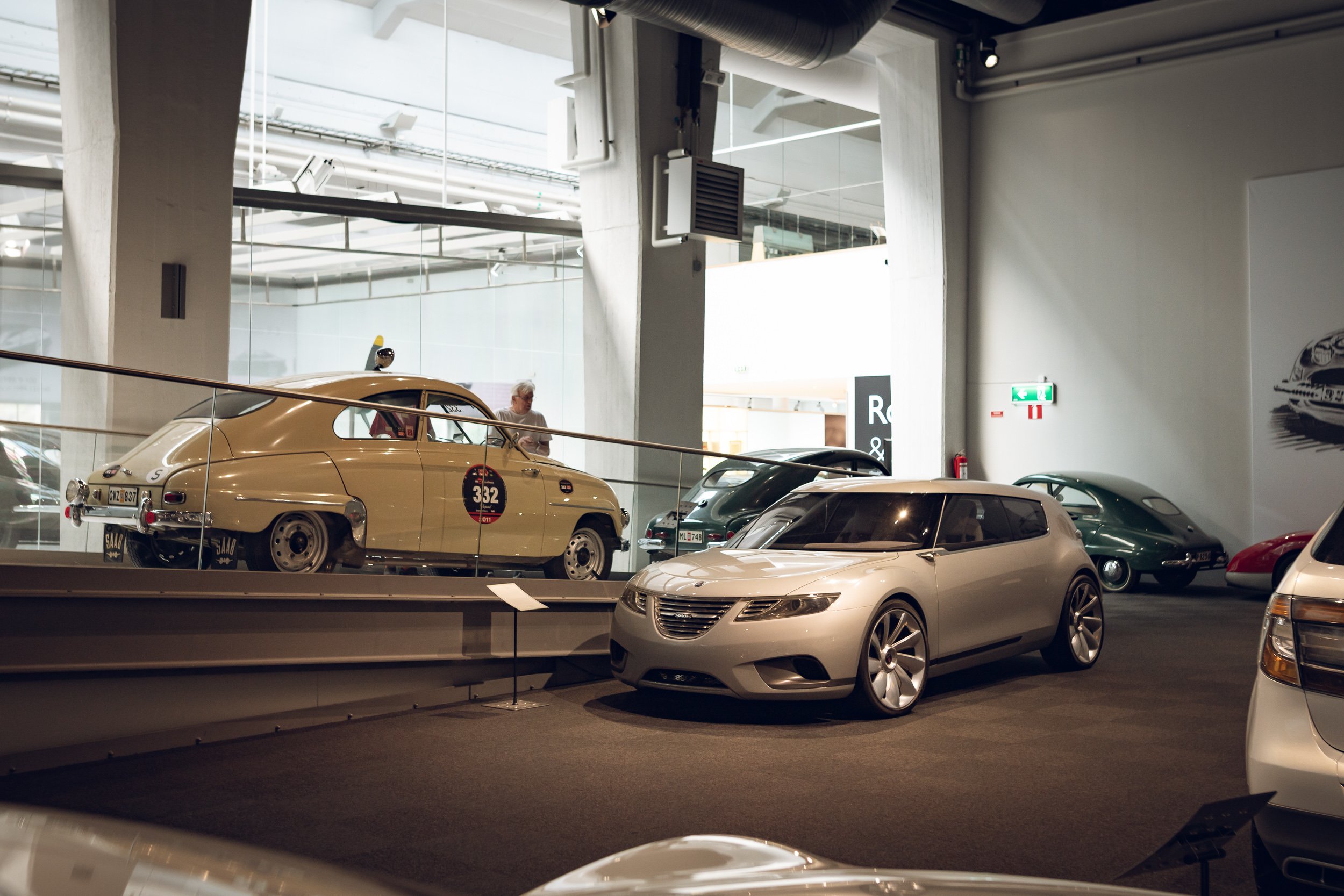
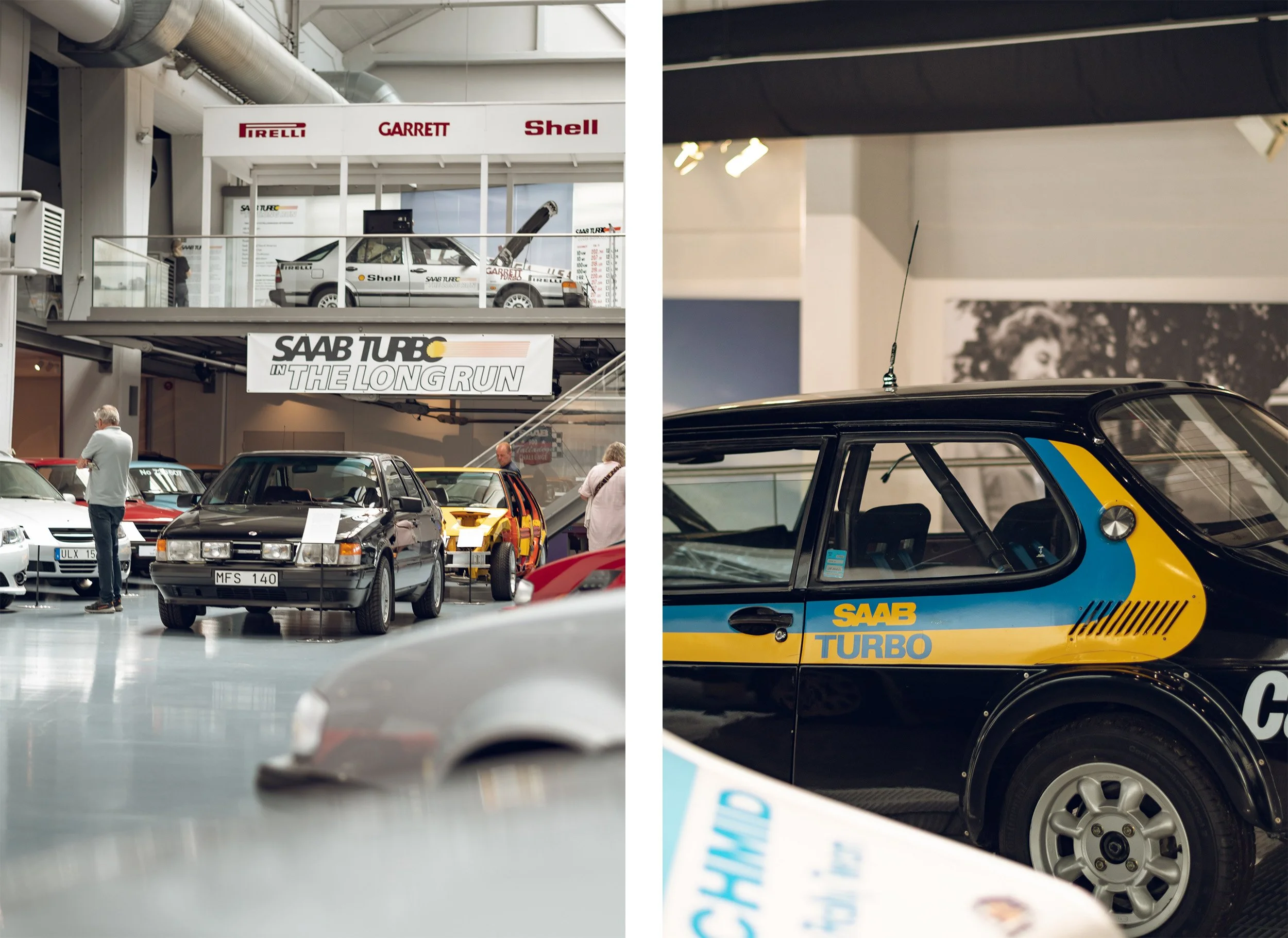
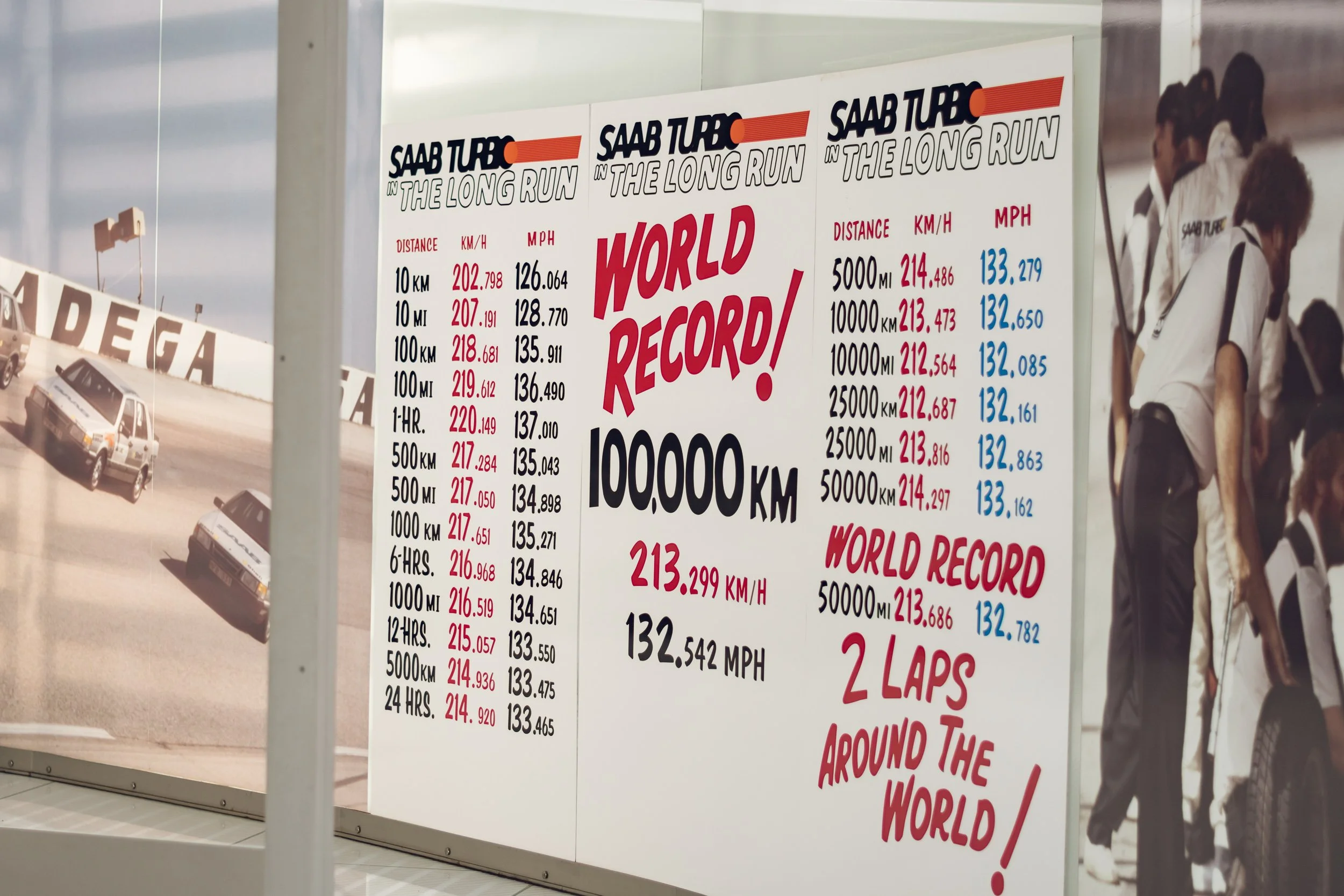
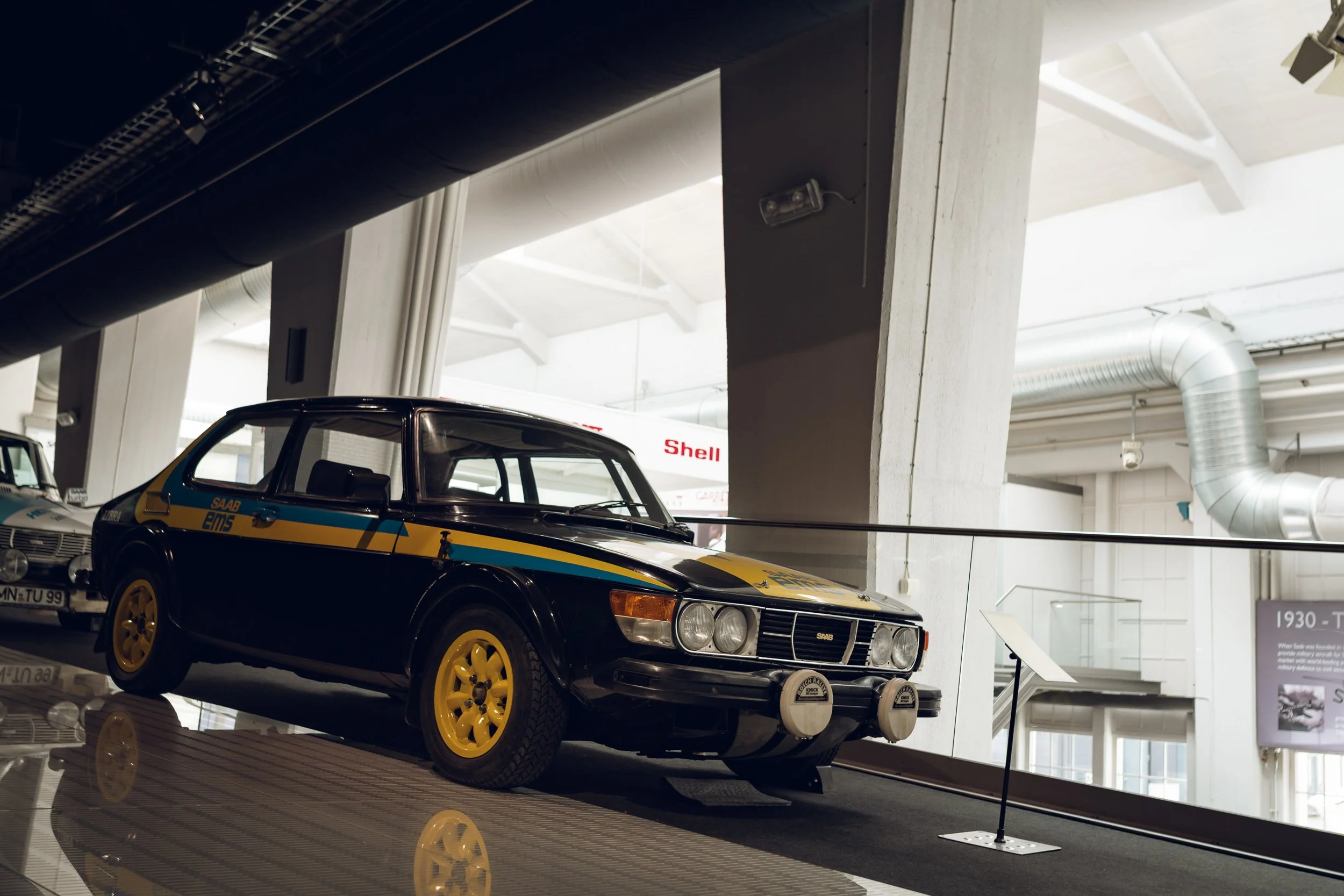
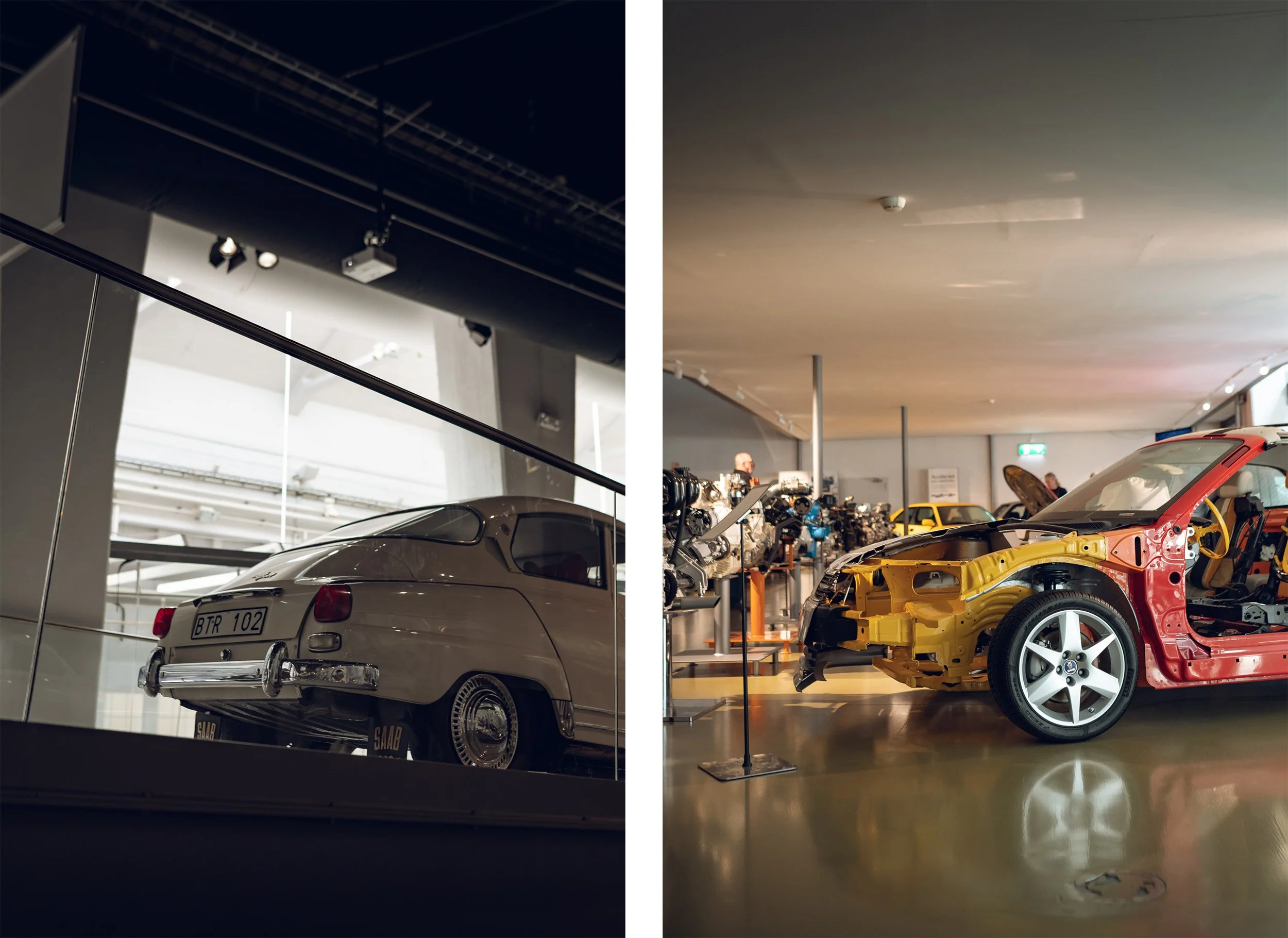
One of the most prominent spots was given to the car that set an endurance record, covering 100,000 kilometres at an average speed of 213 km/h. It’s surrounded by a variety of rally cars with famous names written on their bodies. On the ground floor, vehicles displaying their safety structures offer insight not only into Saab’s approach to safety, but also into how cars are constructed in general. These exhibits reveal areas that are normally hidden from view, even to those who regularly work on cars.
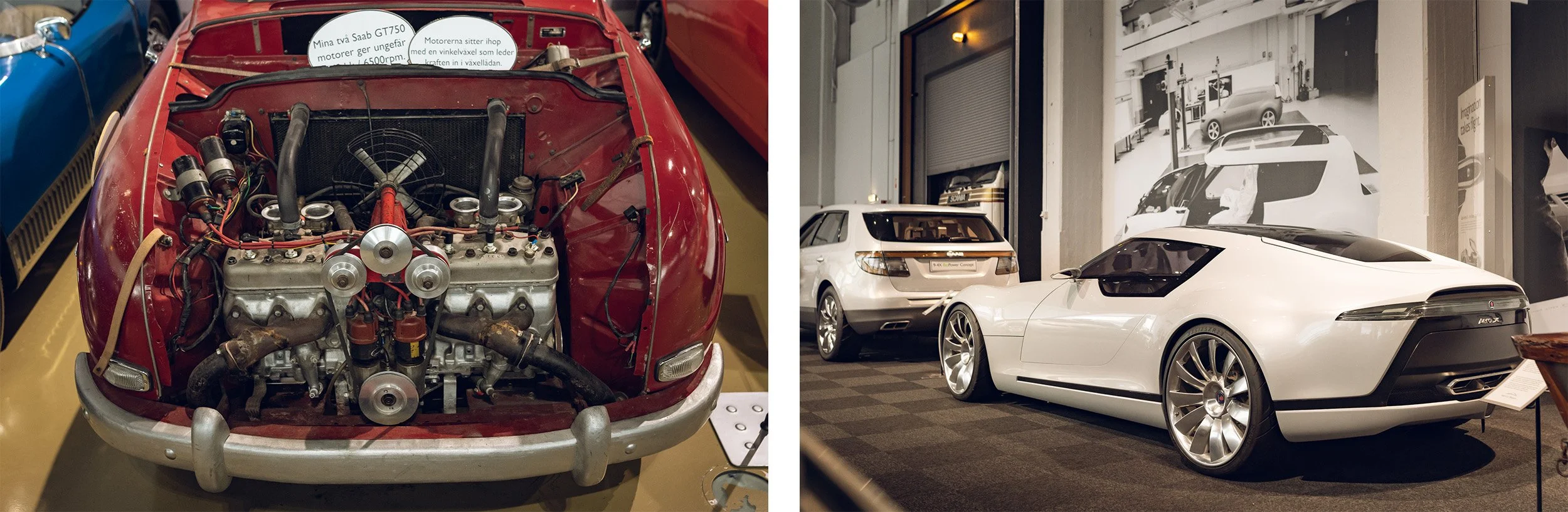
In everyday garage work, we usually encounter powertrains covered in rust and dirt, so seeing a broad collection of brand-new engines and gearboxes is particularly refreshing. It invites reflection on how different the experience of working on such components could be. Even visitors with extensive mechanical experience are likely to find this part of the exhibition engaging. Thanks to numerous cutaway models, it is possible to glimpse the internal construction of certain components: views that often remain inaccessible even during a complete engine teardown. Unsurprisingly, special attention is given to the turbocharger, a device for which Saab is especially well known.
Saab was always seen as a very reasonable brand. With practical and reliable cars designed to ensure safety and durability during tough Nordic winters. The turbo engines being the only “crazy” addition to this otherwise dull image of the brand. But walking along many prototypes one can see that engineers from Trollhättan were working on some truly interesting concept and performance cars.
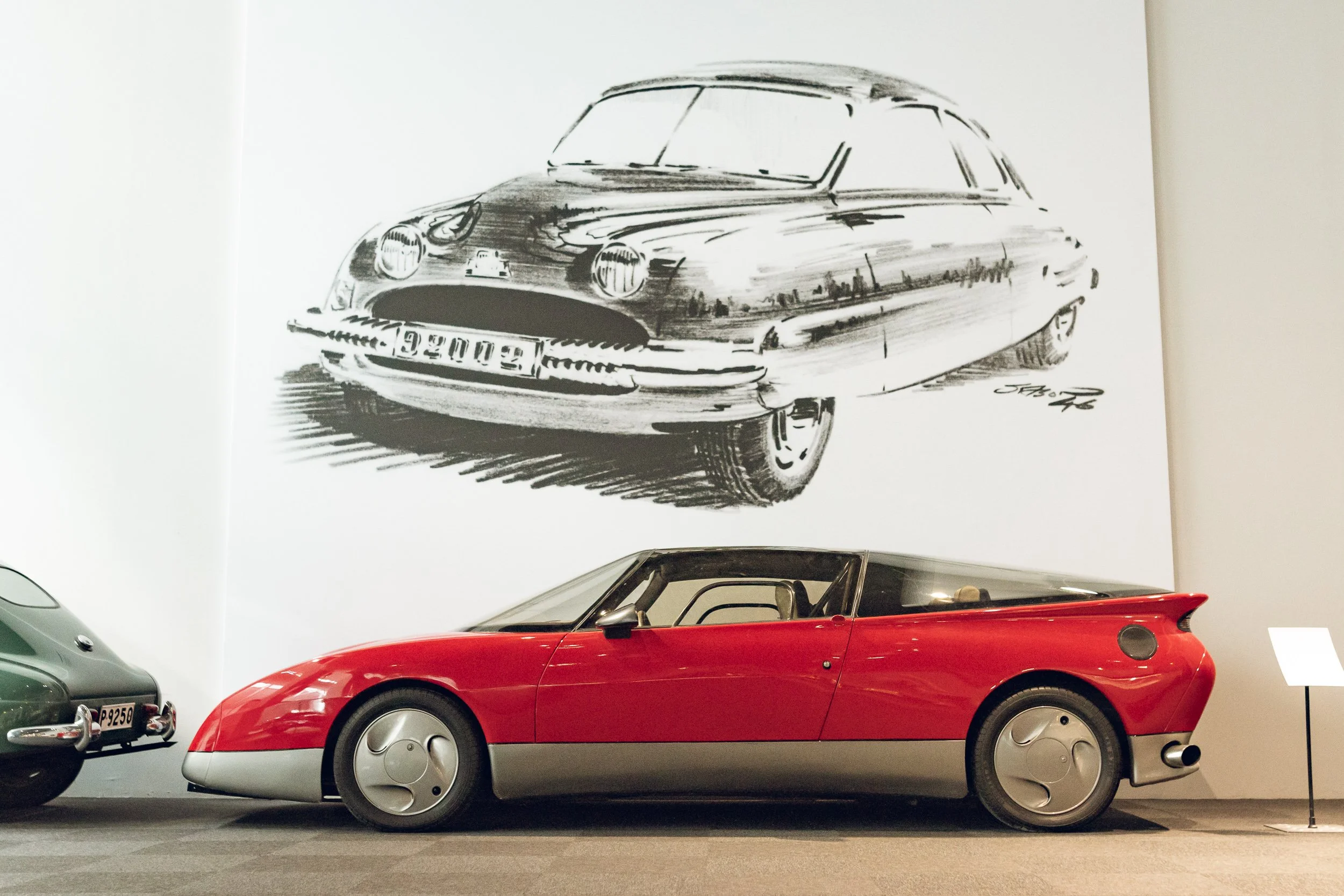
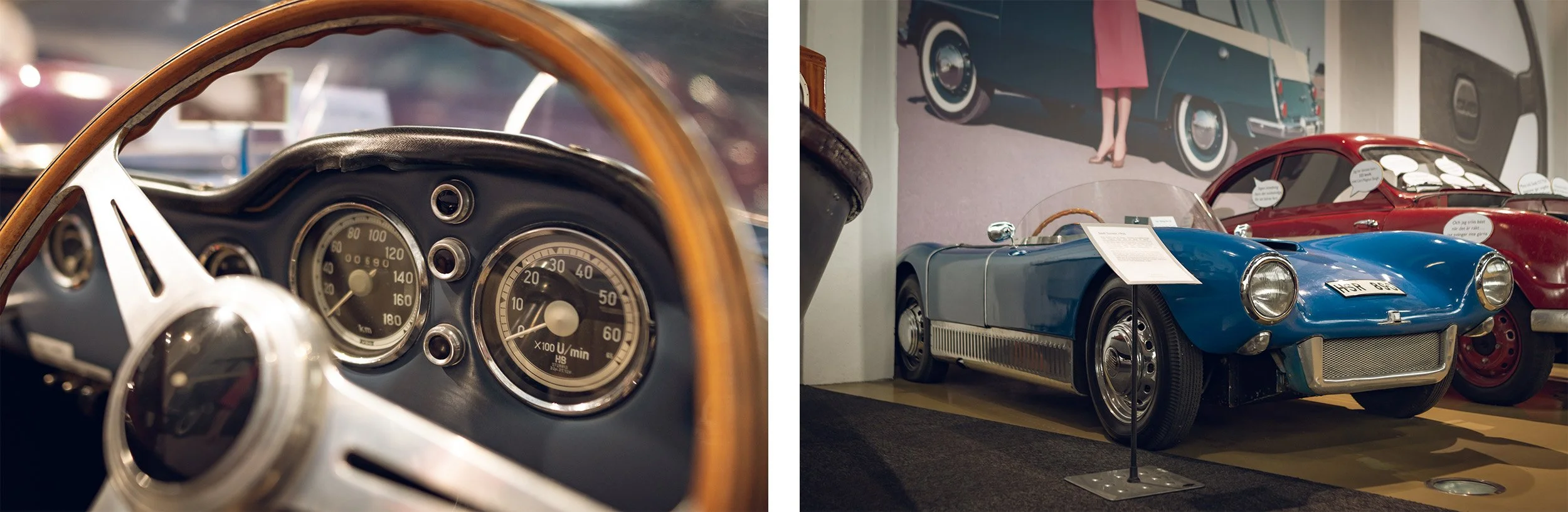
The sporty prototypes start with cute but full of character roadster: the 1956 Sonett. Looking at this blue barchetta one could expect it to come from Italy, rather than Sweden. No less interesting is the Saab EV-1 from 1985. I really like its design, but it had much more to offer. It used new materials, like carbon fiber reinforced plastics, and solar cells to cool down the car’s interior during parking. Performance parameters were also eye-catching. The “EV” name is misleading from today’s perspective. The car was powered by a 4-cylinder turbocharged engine delivering 285 bhp and allowing the car to speed up to 270 km/h.
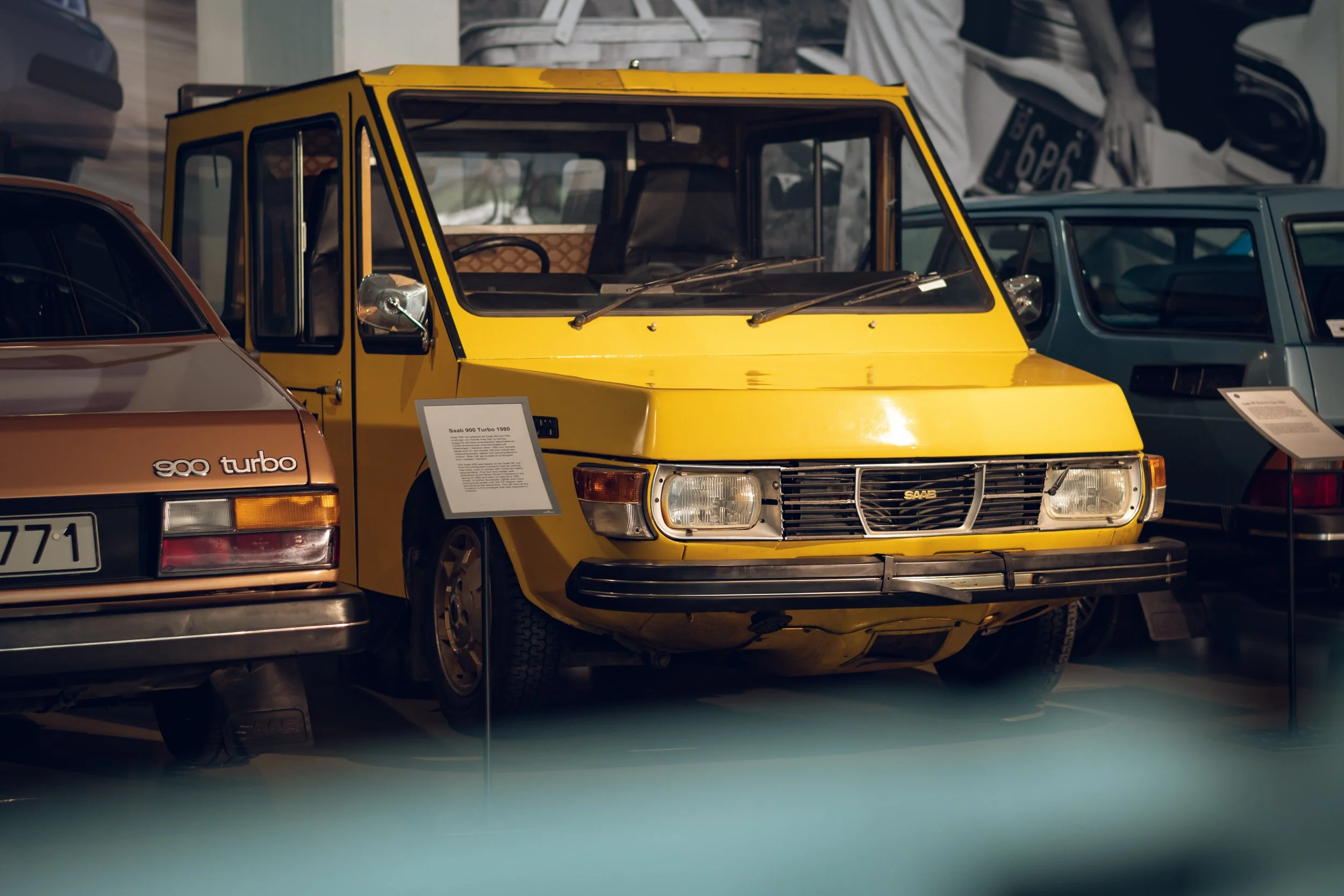
Talking about performance, it’s not possible to not mention The Monstret from 1959. Thanks to two 3-cylinder engines mounted transversely in the engine bay, the car delivered 138 bhp and could reach 196 km/h. Unfortunately, no sporting regulations allowed this daring construction to start in any race, so the project was shelved. Moving to more practical prototypes, my eye was caught by two of them. Saab 98 from 1974 was based on chassis of the 95 model but featured a station wagon body designed by Coggiola in Italy. The second is a car which is impossible to miss - the yellow box-shaped car stands out from all the others. It’s the Saab 99 electric Van from 1976. This car was designed as postal delivery van and despite being based on a Saab 99, it featured electric powertrain with battery mounted in the middle of the car.
I didn’t know what to expect from the Saab Car Museum. I was afraid that it may look underfunded and dull. But I was positively surprised. It may not be as glamorous as more modern car museums, but it has its own genuine character. Definitely worth visiting. And while planning your trip to Trollhättan, remember to keep some time for a walk around the nearby channel locks.