Unique cars, designer fashion, and Michelin-starred cuisine – these are the things you won't experience during the Mogilno Rally. What do you get instead? A relaxed atmosphere, the sight of classic cars slowly cruising through idyllic landscapes, and the chance to put your navigation skills to the test. It was great to be back at this event after a few years away.
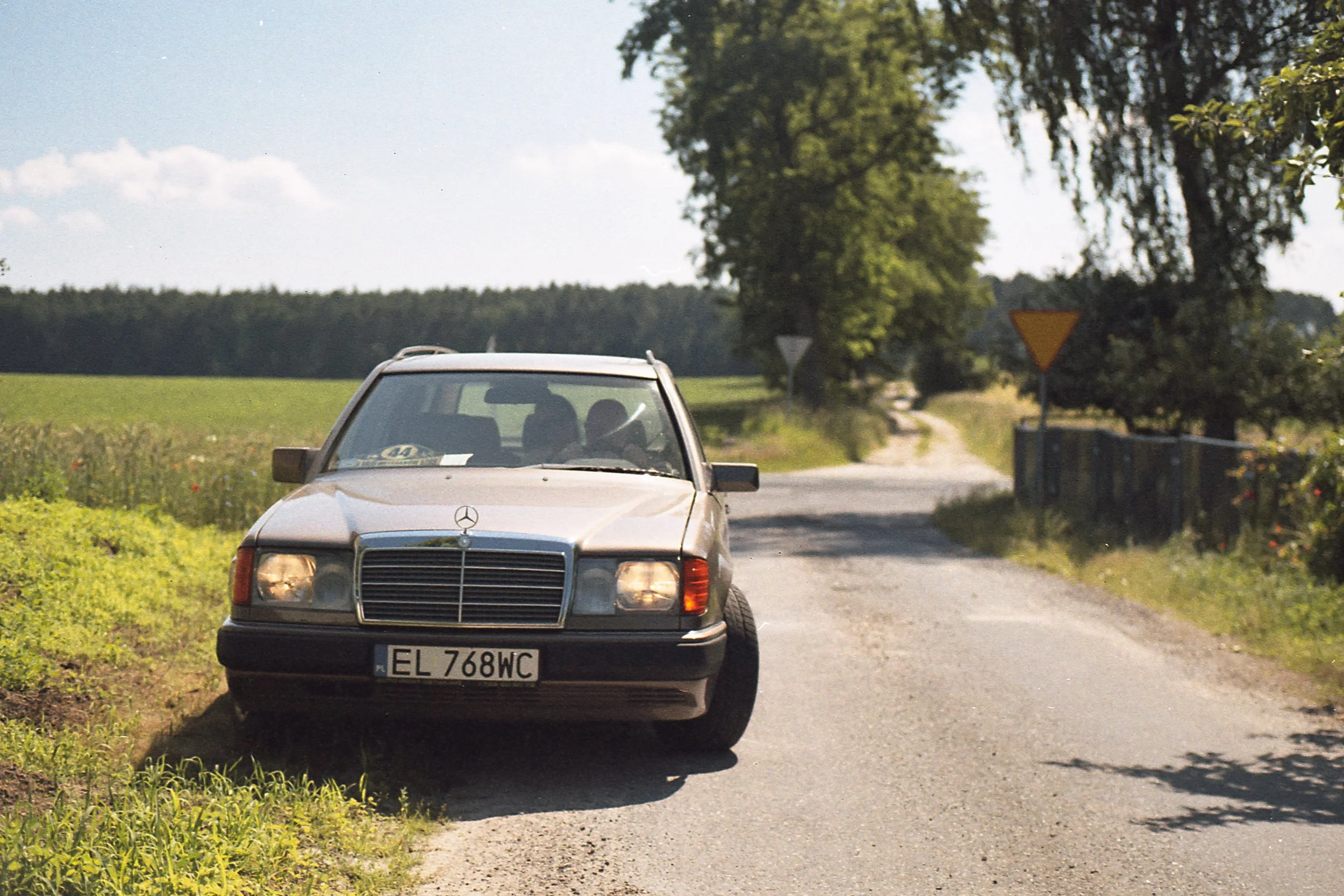
I have always seen the Mogilno Rally, or Rajd Weteranów Szos po Ziemi Mogileńskiej, as the grandfather of all Polish classic car navigation rallies. Is that actually true? Probably not, but it certainly set the standard for many similar rallies across the country. This year marked the 20th anniversary edition, highlighting the event's lasting legacy. But was this edition any different from the ones I remembered? Not really. Apart from the golden anniversary stickers, the event followed its proven and well-loved formula. The rally takes place on Saturday and is followed by a classic car exhibition on Sunday. For me, however, it has always been the first part that only mattered.
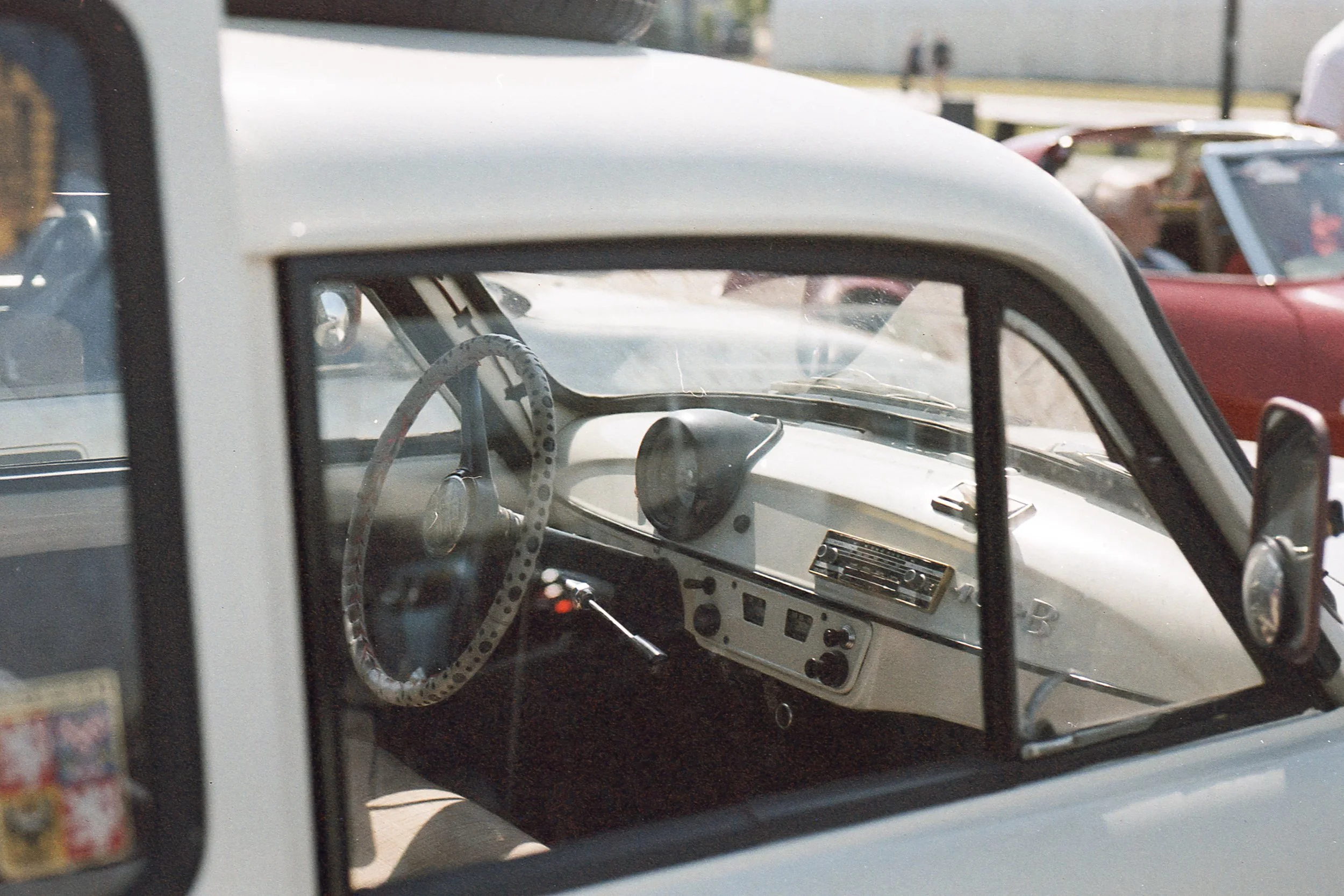
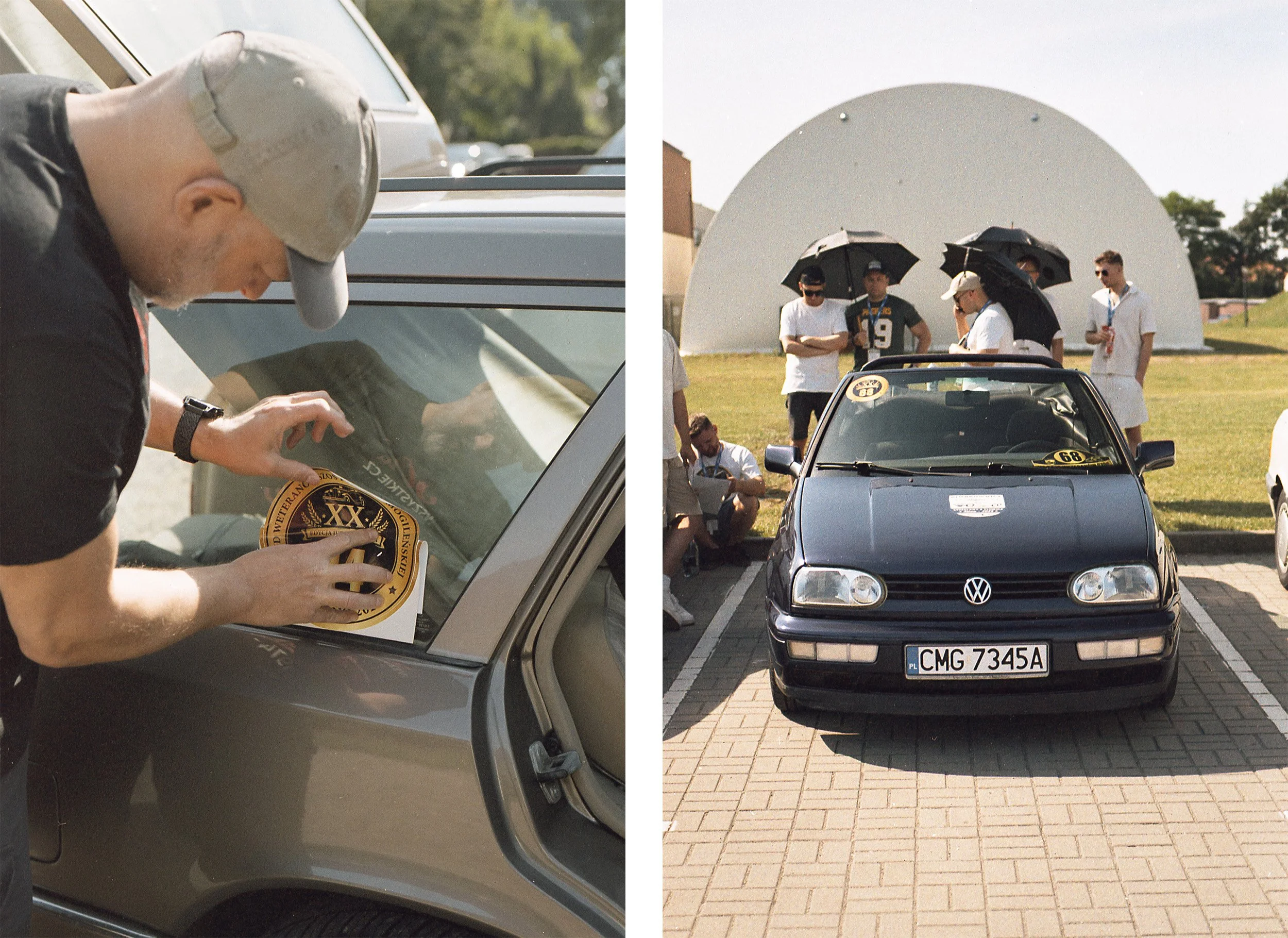
The start of the rally is traditionaly located next to the sports hall in Mogilno. A large parking lot paved with concrete blocks is hardly the most picturesque setting for displaying classic cars, but it does provide plenty of space to accommodate more than eighty vehicles waiting for the start, as well as enough room for a small driving skill test. Here, the performance of the car matters much less than its compact size and good rear visibility. Yes, these tests always involve lots of reversing between tightly spaced traffic cones. Honestly, looking at this challenge, I never regretted being the co-driver and missing the opportunity to drive the car through it.
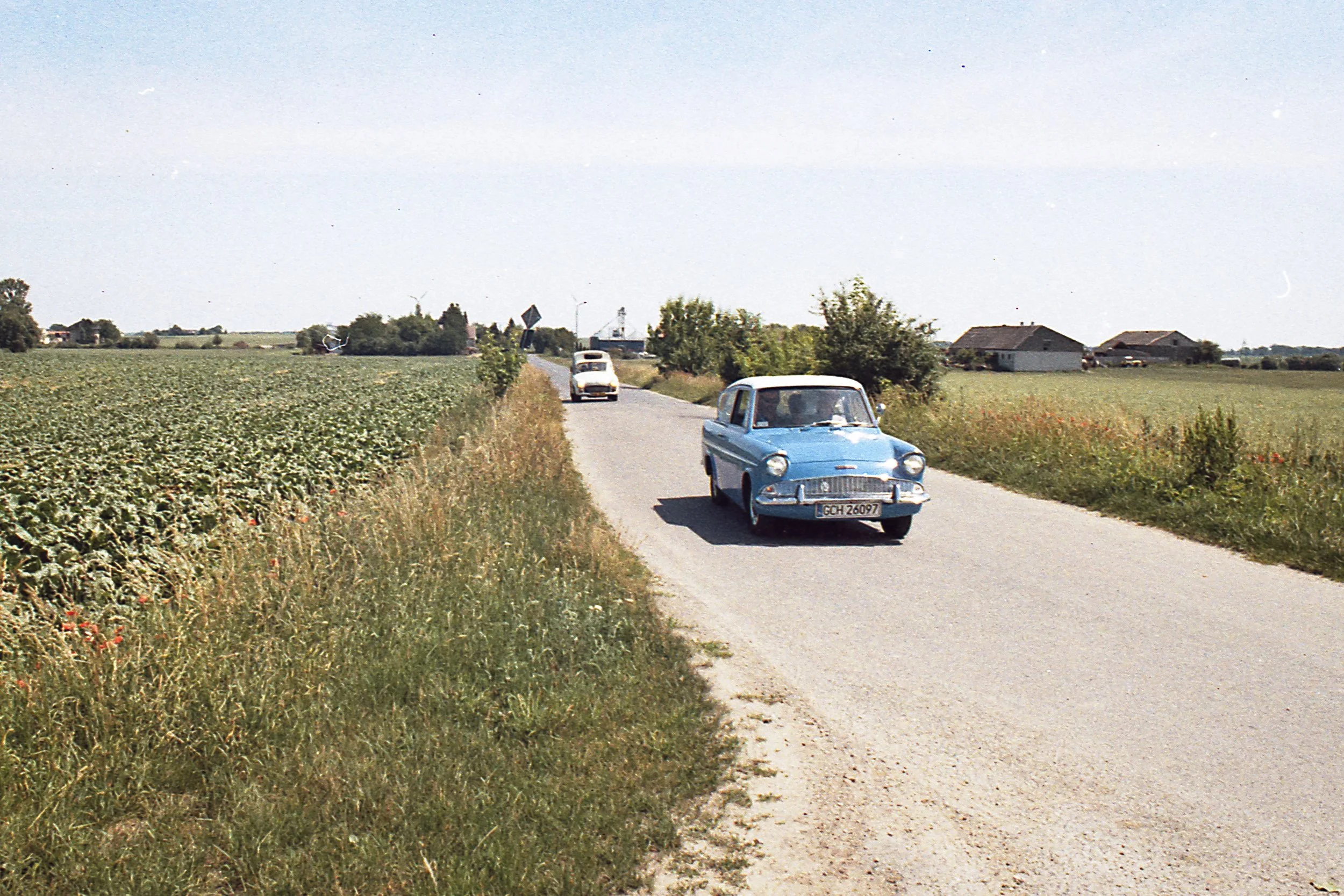
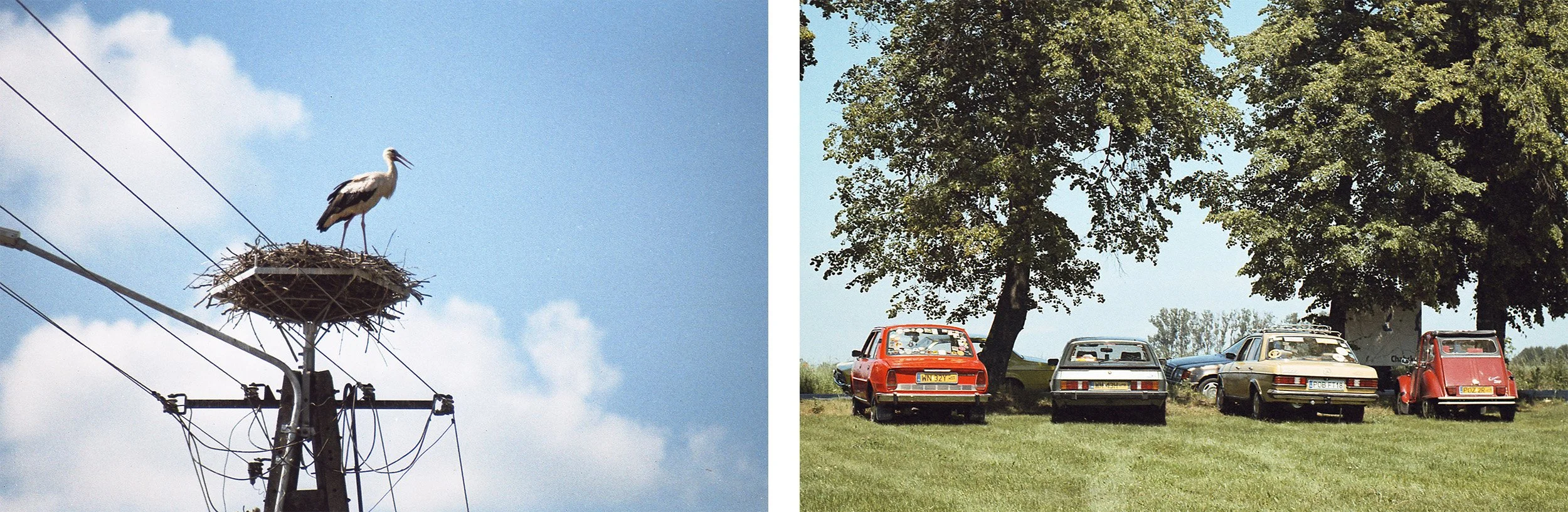
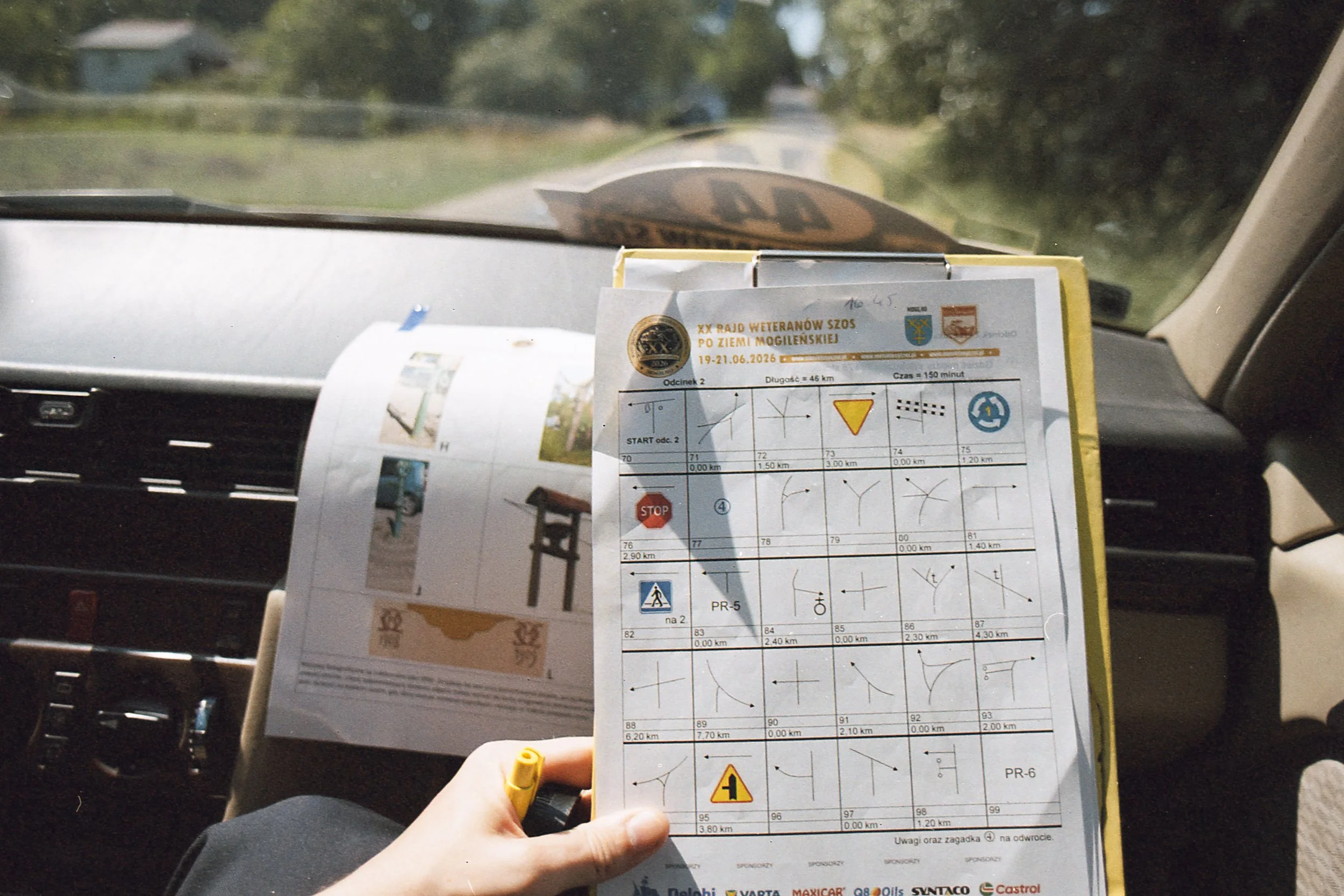
After the driving test, the cars set off onto the first stage at two-minute intervals. As a result, crews with higher starting numbers often have to wait quite a long time for their turn. There is an upside to this, however. Once on the route, you will usually have the road to yourself, relying entirely on your own navigation skills rather than simply following other crews. Moreover, at the passage control points, where participants solve various puzzles and challenges, there is no need to wait in long queues. So, while the wait before the start may require a bit of patience, it pays off by making the rest of the day far more enjoyable.
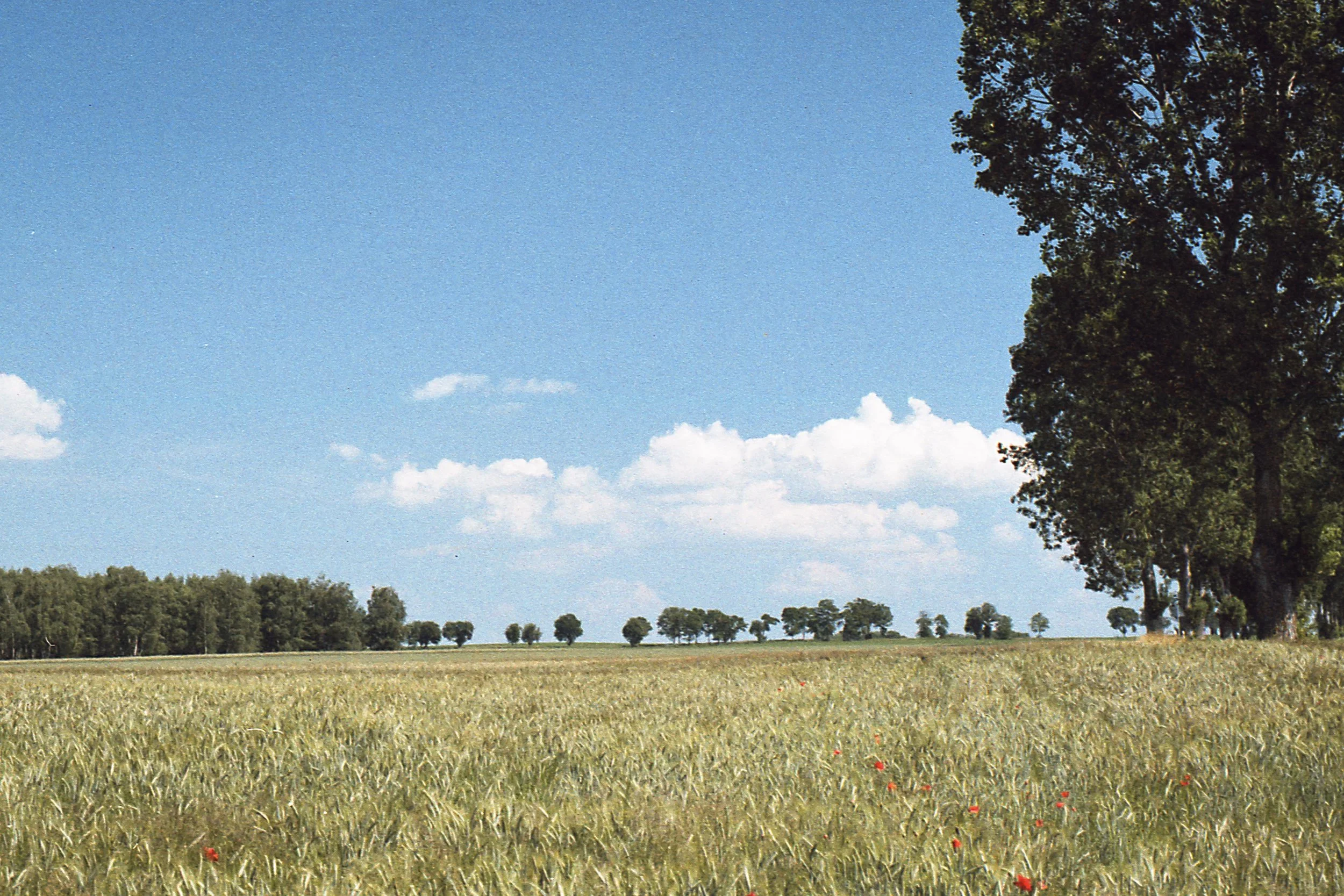
So, what was waiting for the participants along the rally route? For me, the highlight of this year's route was the sight of fields covered with poppies, cornflowers, and daisies. I came across so many picturesque, idyllic countryside landscapes that I would have loved to photograph, but I didn't want to test my driver's patience by constantly asking him to stop at random spots along the way.
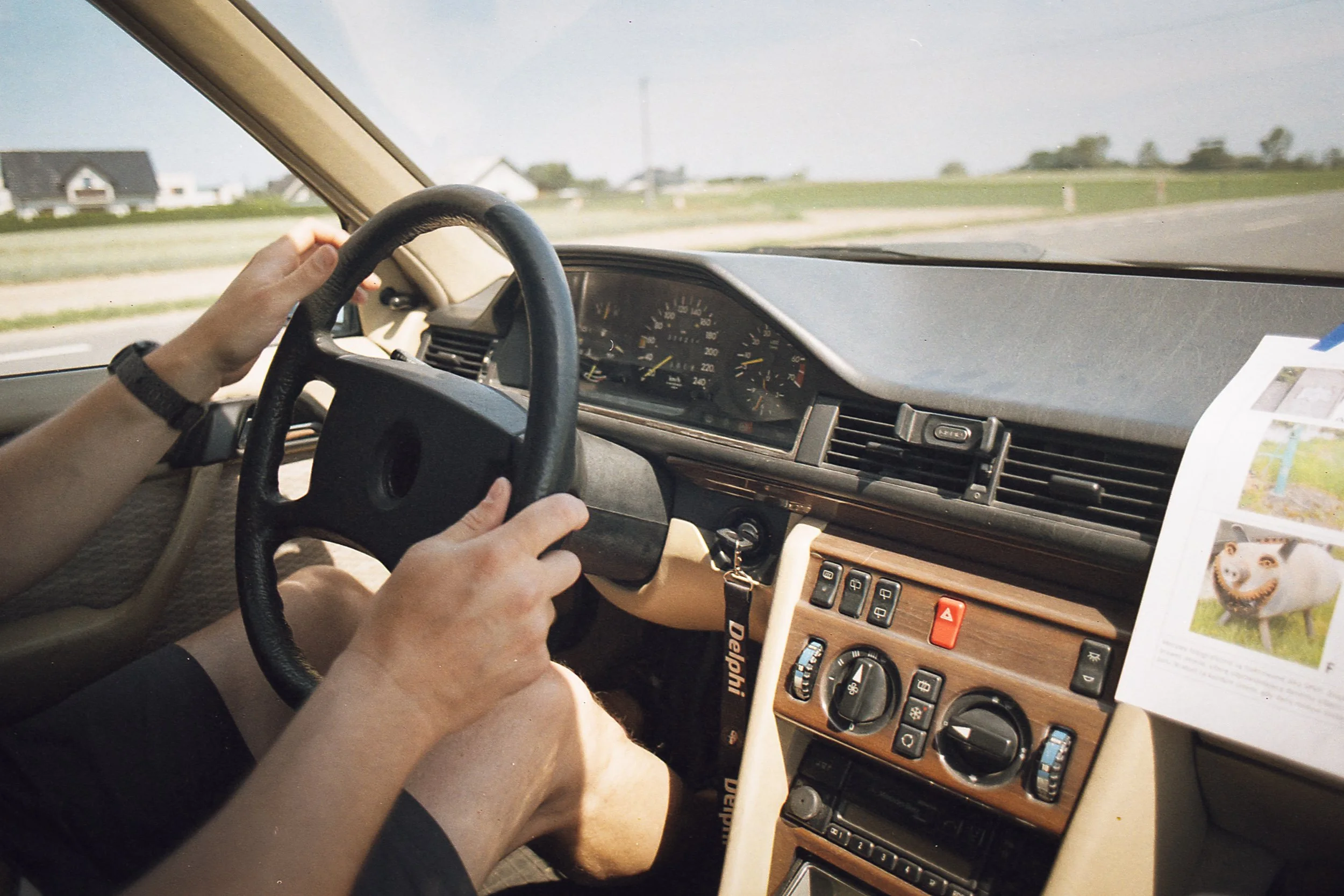
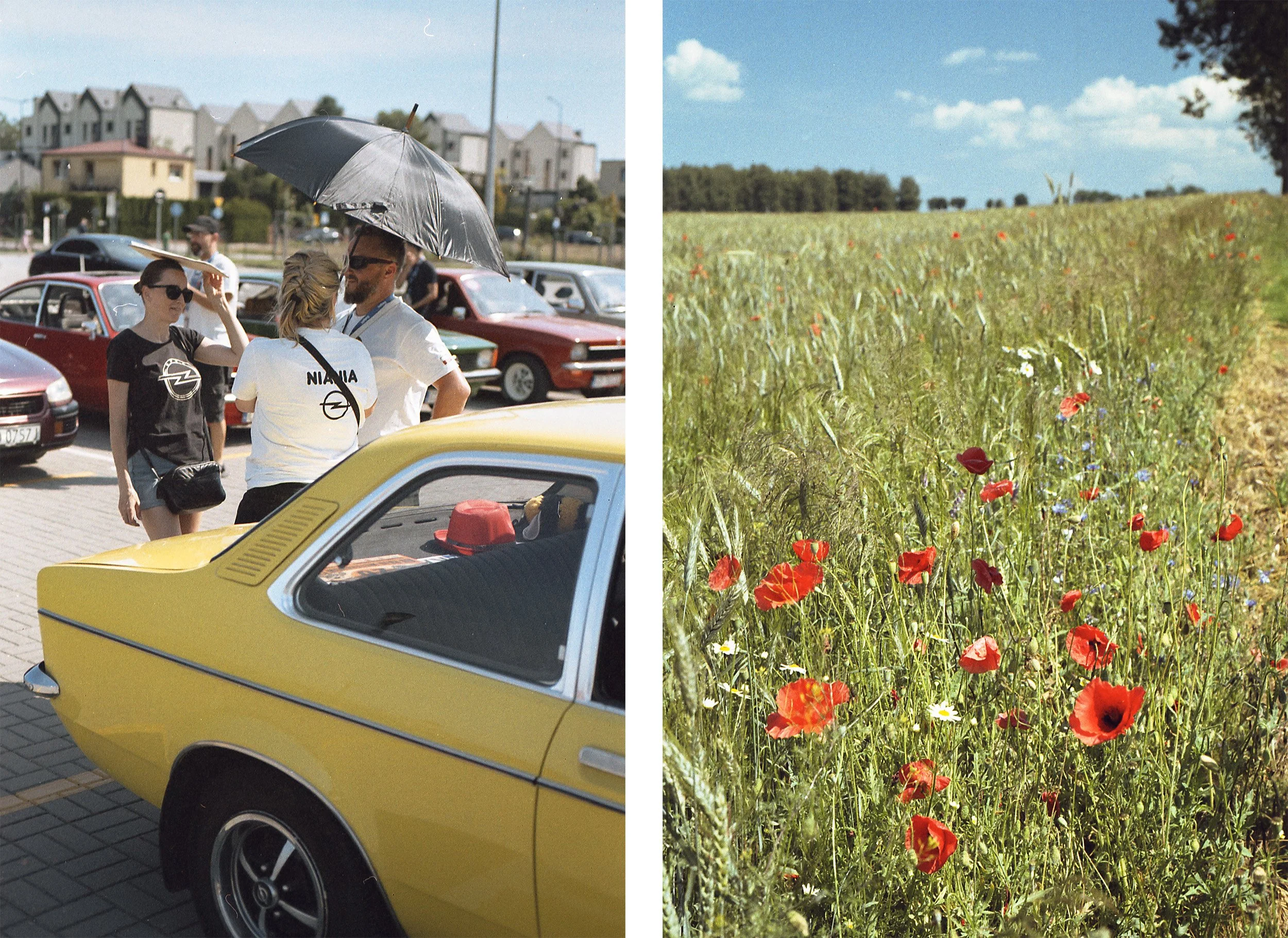
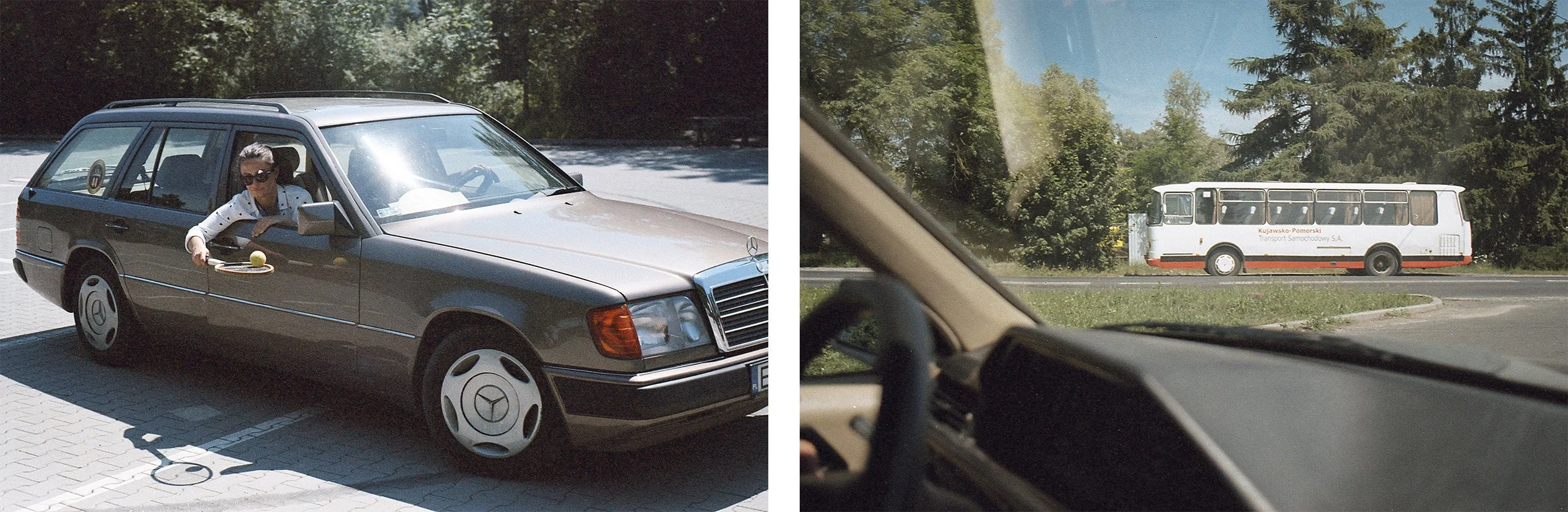
And speaking of photography, I came prepared for these conditions. Through my photos, I wanted to capture the calm, nostalgic feeling of childhood summer holidays. That's why I brought along a simple film camera from the late 1990s and loaded it with the cheapest colour film currently available – just as we used to do back then. Did I manage to recreate that atmosphere? I'll let those who remember those days be the judge.
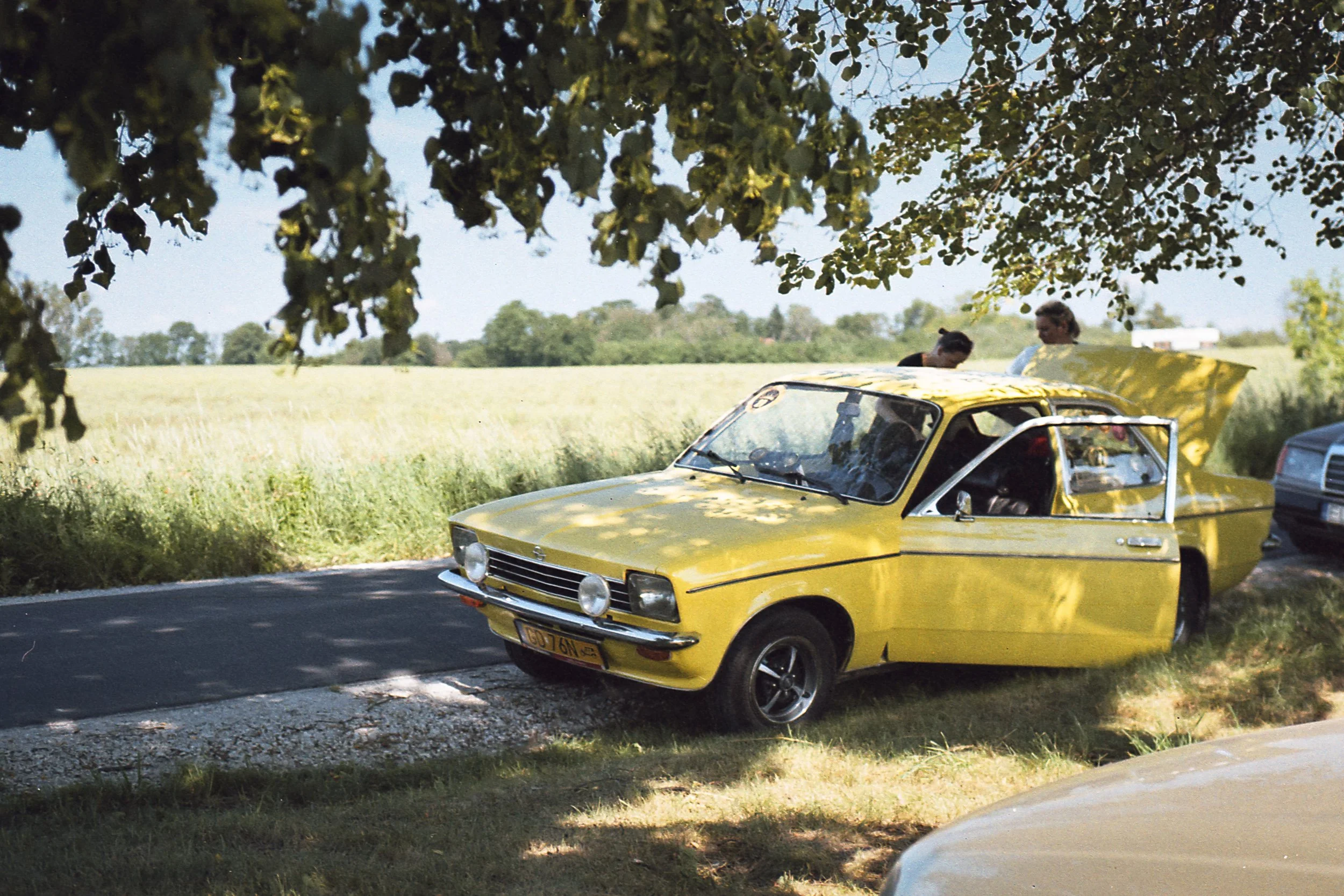
But let's get back to the essence of the event – after all, it's not about photos and poppies, but about navigation, spotting subjects shown in photographs, and solving all kinds of puzzles. During this year's edition, drivers and their passengers faced yet another challenge – the heat. Temperatures over the weekend climbed well above 30°C, turning the cabins of classic cars into little ovens. Meanwhile, we watched the other tired and sweaty participants from the comfort of our air-conditioned Mercedes W124. Taking on a classic car rally in this car almost felt like playing a video game with cheat codes.
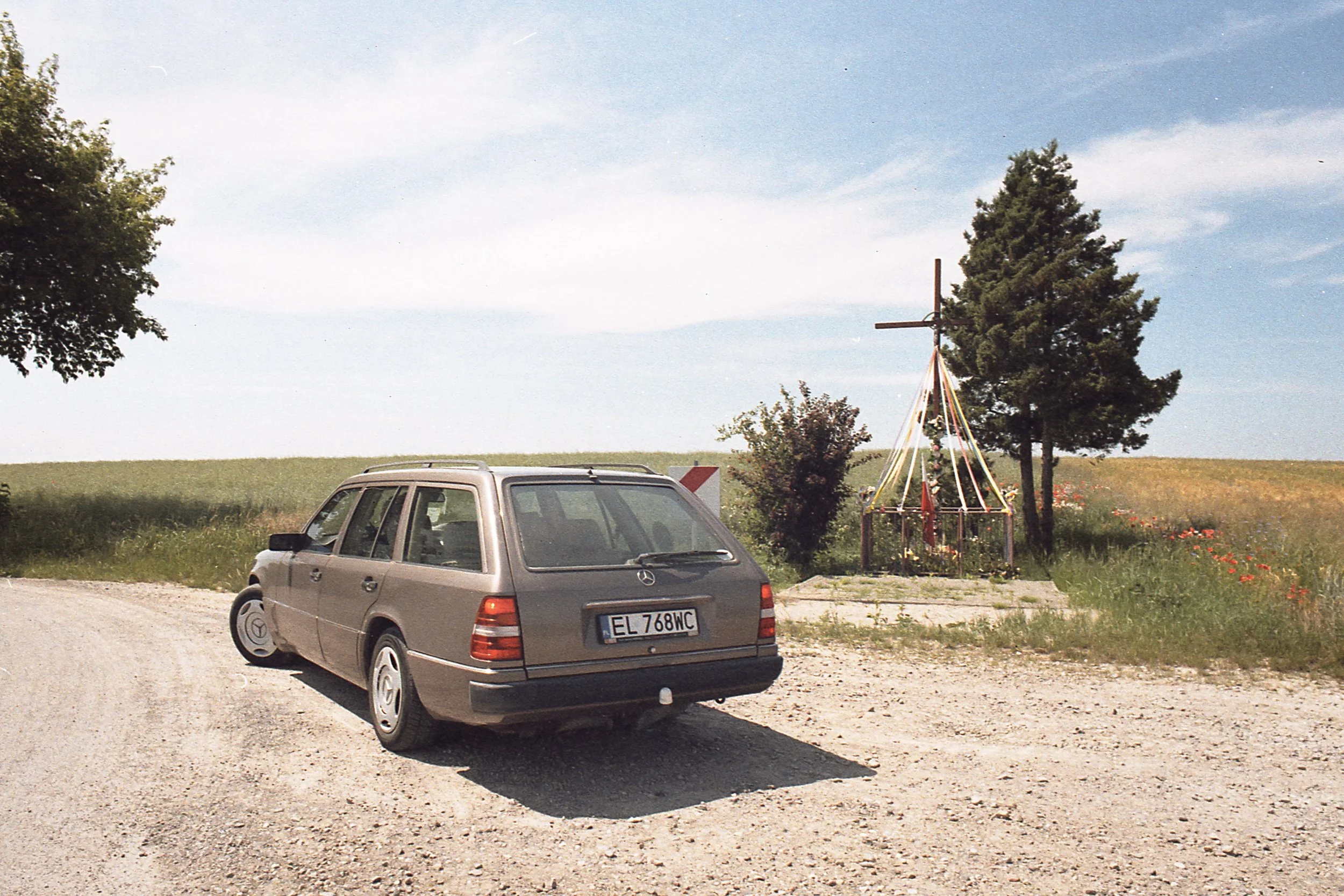
There are two things we have this car to thank for: not only for getting us through the rally, but also for waiting until the very last possible moment before breaking down – right at the finish line. The final element of the route was another driving skill test, held in the same parking lot as the one before the start and just like the opening test, it required quite a bit of reversing. Our Mercedes completed it without any issues, crossed the finish line, which also marked the end of the rally, and then refused to move another metre. The gearbox had finally given up. My rally companions made their way home on a recovery truck, and as there was no room left for one more passenger, I had the chance to appreciate how much Poland's rail network has improved over recent years. Admiring the historic skyline of Toruń, the hometown of Nicolaus Copernicus, certainly wasn't on my bingo card for this rally.
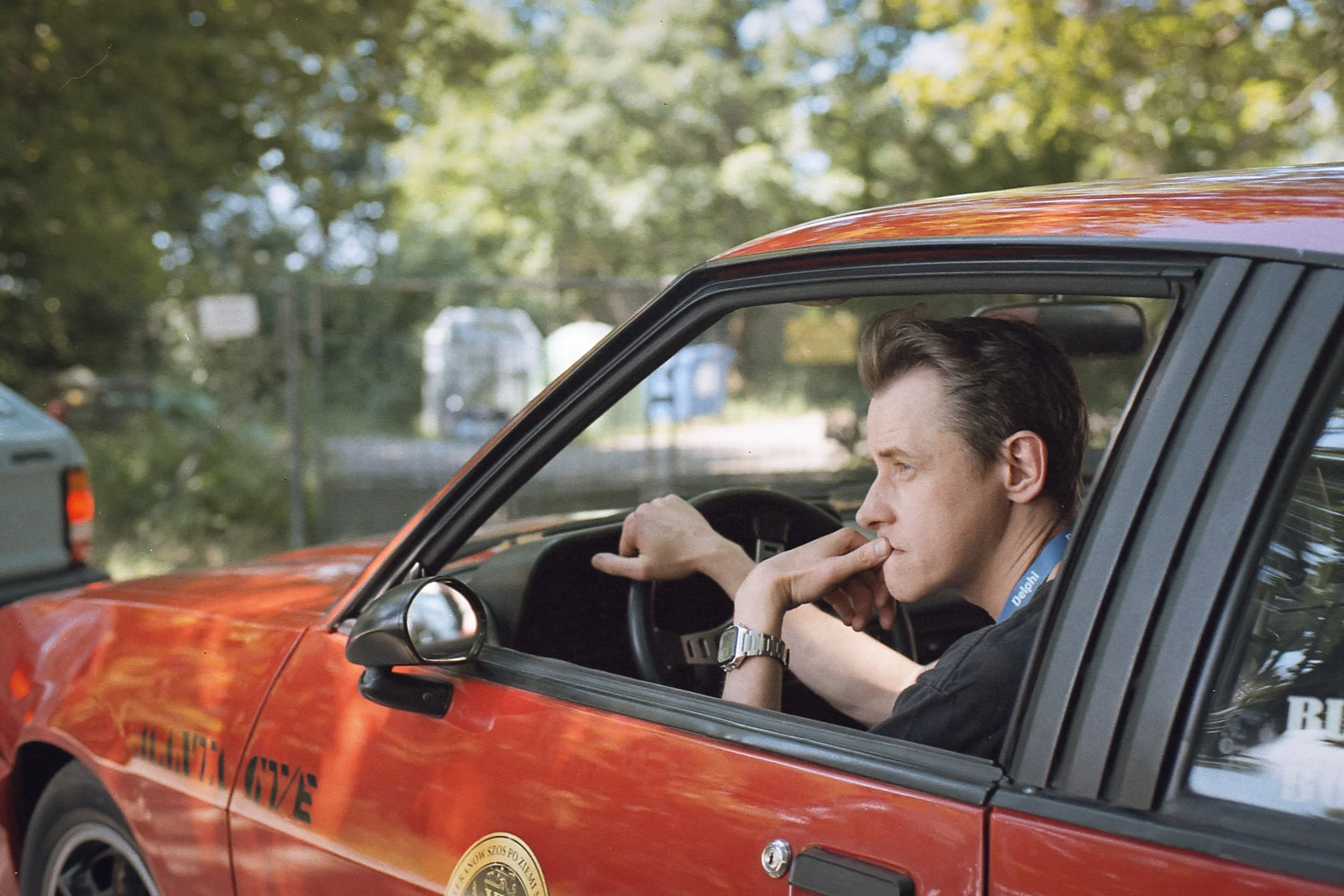
I have always had fond memories of the Mogilno Rally, and this year was no exception. I was happy to be back and reunited with old friends, just like in the good old days. I'm already looking forward to the next edition, although with a hint of uncertainty. Following this anniversary edition, the rally's main organiser, Krzysztof Witczak, announced that he was stepping down and handing over the role to his undisclosed successor. Will that mean changes to the event's proven formula? I'm curious to find out.